Song Meaning
The lyrics paint a stark contrast between a frozen, personal memory and a chaotic, violent present. The opening lines conjure a specific, almost photographic image: "Uma foto junto a uma fonte," "Congelada pela câmara," with "roupa leve" and a "Lembrança de neve." This idyllic, cool memory is juxtaposed with the harsh, arid "gelo seco no sertão," hinting at a disjunction between past and present, or perhaps a memory of coolness in a hot place. The repeated "Saharienne" acts as a refrain, its meaning elusive but evocative of heat, sand, and perhaps a distant, exotic allure.
The present reality described is jarring and visceral. The narrator is "Diante da televisão sem som," a silent observer of a world in turmoil, hearing "o alarido / Surdo dos curdos" and smelling "cheiro de carne humana assada." This sensory overload of violence and decay, described as "A morte assídua promíscua conspícua / E tão pouco asseada," creates an overwhelming feeling of dread and disgust. The "Saharienne" refrain now seems to echo against this backdrop of suffering, its initial coolness perhaps a desperate wish or a fading echo.
A significant shift occurs with the invocation of "Saravá Sarah Vaughan." This moment introduces a reflection on suffering and exploitation, questioning "Quem te escravisaurou / O que te fez a beirute fez ao rio." The "teia de aranha midi" suggests a complex, perhaps inescapable, network of influence or decay. Yet, paradoxically, this "teia" offers both "conforto e arrepio," a chilling comfort found in the recognition of enduring artistic expression amidst destruction.
The core tension crystallizes in the repeated assertion: "O carneiro sacrificado morre / O amor morre / Só a arte não." This powerful declaration posits art as the sole surviving element against the inevitability of death, sacrifice, and the loss of love. The "Saharienne" refrain, returning after this pronouncement, takes on a new weight, perhaps representing the enduring, albeit complex, nature of art itself, a constant in the face of pervasive mortality and conflict.
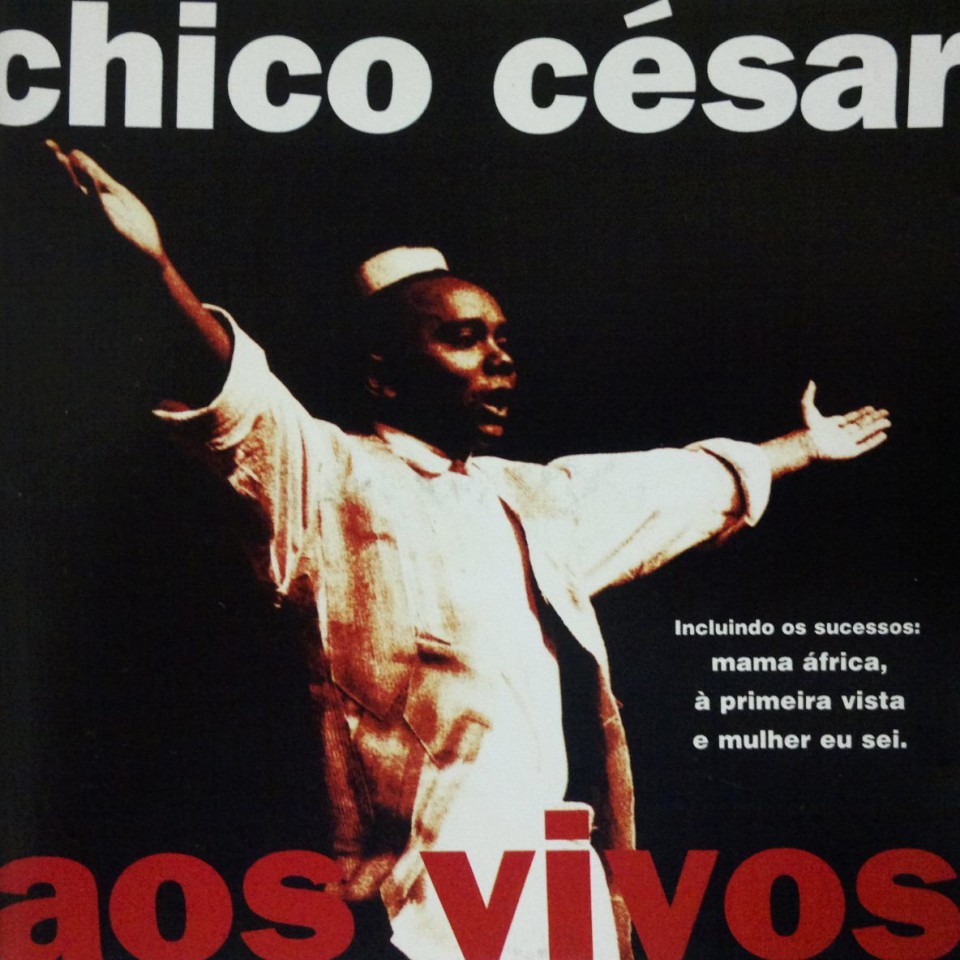
 View Artist