Song Meaning
The lyrics immediately confront the listener with a stark, unsettling declaration: "Eu sei como pisar no coração de uma mulher." This isn't a lament but a chilling statement of expertise. The speaker then doubles down, asserting a profound, almost embodied understanding: "Já fui mulher eu sei." This opening sets a tone of dark, self-aware wisdom.
The core tension lies in this claimed knowledge of inflicting emotional pain. The repeated phrase, "Para pisar no coração de uma mulher," sets up a series of paradoxical images. The methods described are not overtly violent but insidious, suggesting that the deepest emotional wounds often come disguised, cloaked in something seemingly innocuous or even beautiful.
The genius here is in the footwear imagery, which consistently juxtaposes destructive implements with delicate or even graceful actions. From the heavy "coturno" (combat boot) paired with the ethereal "pés de anjo noturno" (nocturnal angel's feet) to the sharp "sapatilhas de arame" (wire ballet slippers) performing a "balé belo infame" (beautiful infamous ballet), the lyrics reveal how harm can be inflicted with deceptive grace. This craft makes the betrayal all the more potent, highlighting a calculated cruelty.
The final image, "Pés descalços sem pele," is particularly striking. It suggests that the most profound way to wound a heart is through utter vulnerability, a "passo que a revele" (a step that reveals her). This raw, exposed imagery implies that true emotional damage isn't always about force, but about a deep, perhaps even shared, exposure that leaves both parties stripped bare. The lyrics ultimately paint a picture of pain inflicted with a chilling, intimate understanding.
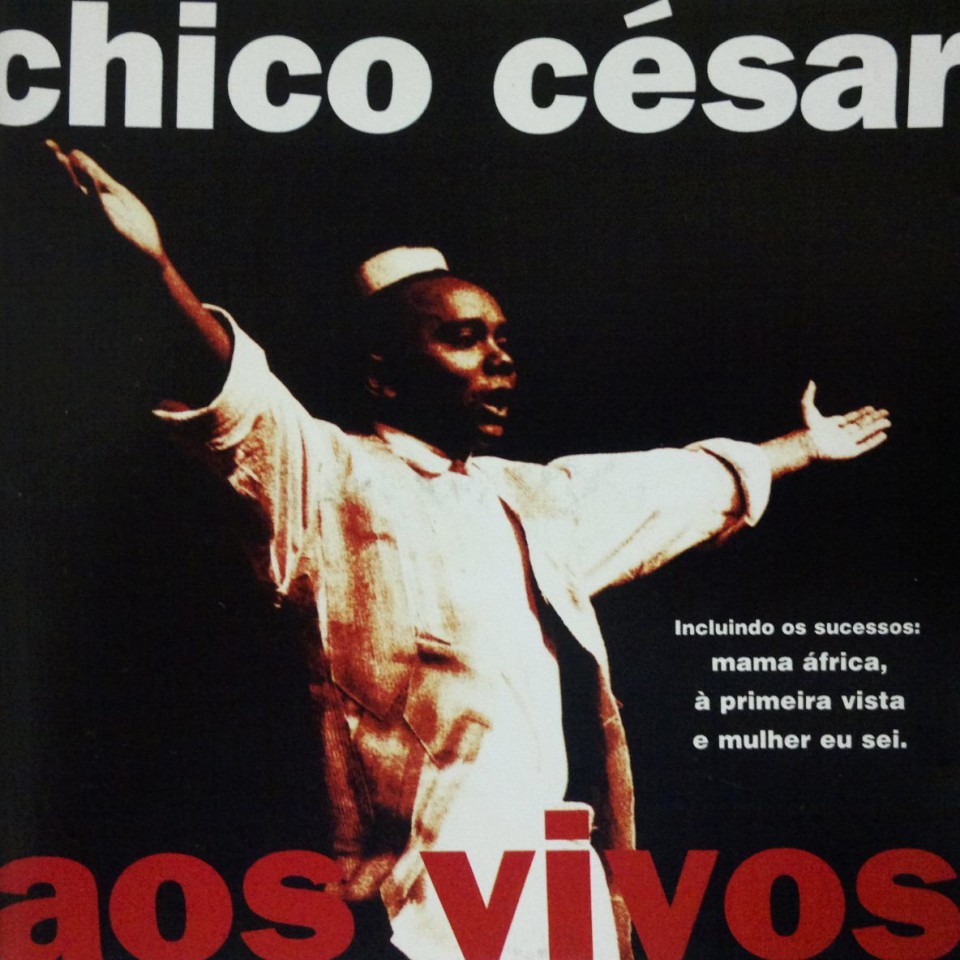
 View Artist