Song Meaning
“Alma Não Tem Cor” immediately declares its central thesis: the soul transcends superficial distinctions. The lyrics quickly pivot, challenging the very notion of identity tied to skin with direct questions like “Porque eu sou branco?” and “Porque eu sou negro?”. It's a punchy opening, setting up a clear argument against racial categorization.
This initial questioning establishes a core tension, highlighting how society often forces individuals into narrow racial boxes. The repetition of “Alma não tem cor” acts as a rhythmic counter-argument to these imposed labels. The speaker seems to be dismantling the foundation of racial identity, suggesting it's an external construct rather than an intrinsic truth.
The clever wordplay truly shines in phrases like “Branquinho” and “Neguinho,” which use diminutives to perhaps underscore the triviality or even the infantilizing nature of such labels. But the real linguistic power comes with “Branco negão.” This oxymoron brilliantly shatters binary racial thinking, creating a jarring image that forces the listener to confront the absurdity of rigid categories. It's a masterful stroke, exposing the illogic of defining a person by a single, limited descriptor.
Ultimately, the lyrics move beyond mere negation to a vibrant affirmation. After declaring the soul “não tem cor,” it then asserts, “Ela é colorida / Ela é multicolor.” This shift is crucial, transforming a statement of absence into a celebration of rich, internal diversity. The subsequent listing of colors—“Azul amarelo / Verde verdinho marrom”—paints a vivid picture, making the abstract concept of a multifaceted soul feel tangible and joyful.
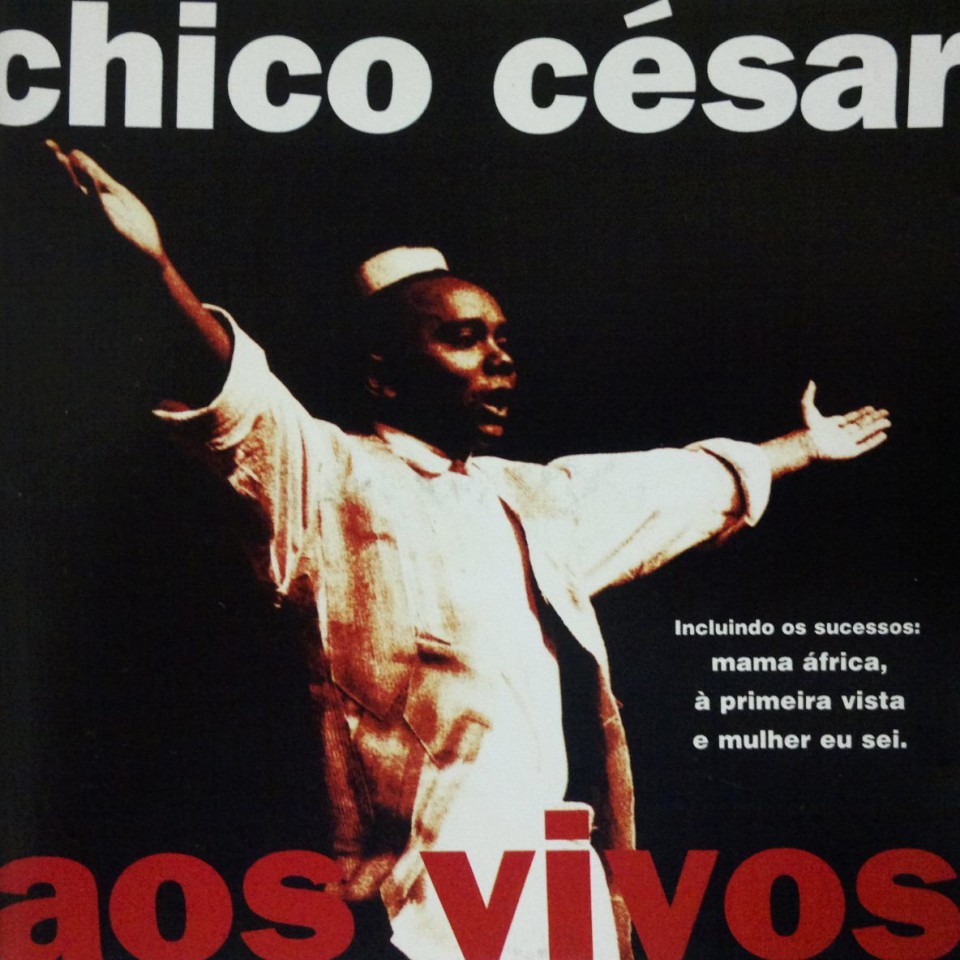
 View Artist