Song Meaning
Charlie Sexton's "Once In A While" isn't just a song; it's a haunting self-portrait dipped in the blues. The 'blue boy' he describes, with a 'voice that quivers' and a 'haunted heart,' is clearly Sexton himself, or at least a carefully constructed persona reflecting his own emotional landscape. The 'cold, blue steel strings' of his guitar become an extension of this melancholic state, each note a carefully measured dose of vulnerability. The core confession—'Once in a while / I forget about you'—is repeated like a mantra, suggesting both the rarity and the desperate need for such moments of reprieve. It's a raw admission of the persistent weight of past love, or perhaps loss, that clings to the psyche.
The lyrics paint a picture of someone perpetually caught in the undertow of heartbreak. The 'blue boy' can't catch a break. His heart is a tangled snake, a symbol of the constricting and suffocating nature of his emotional pain. He sings 'to be free,' but that freedom exists only in the realm of dreams, highlighting the stark contrast between aspiration and reality. Sexton isn't just singing about heartbreak; he's exploring the very human struggle to escape the ghosts of the past, even temporarily. The repetition of the 'once in a while' refrain underscores the fleeting nature of these moments of peace, making them all the more precious and poignant.
The final verse seals the deal, erasing any doubt about the song's autobiographical nature: 'He looks a lot, he looks a lot like me.' This line is a punch to the gut, a direct acknowledgment of the shared pain and the universality of the experience. Sexton isn't just observing this 'blue boy' from a distance; he's inhabiting him, embodying the struggle to move on from 'loves that used to be.' "Once In A While" is a stark, honest exploration of memory, loss, and the fragile hope for moments of forgetting, a testament to Sexton's ability to translate personal pain into resonant art.
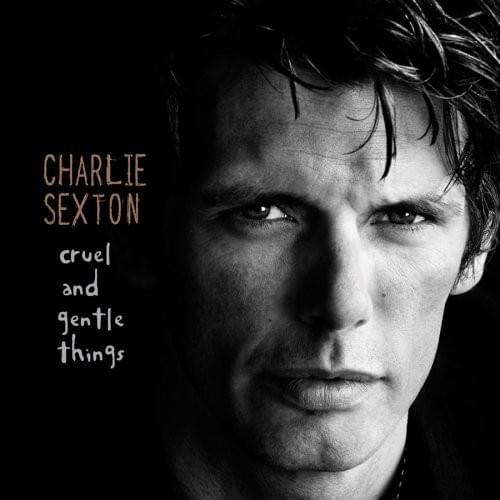
 View Artist