Song Meaning
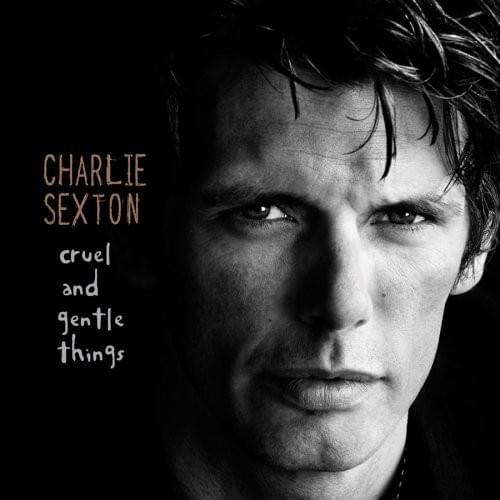
Charlie Sexton's "Cruel and Gentle Things" isn't just a song; it's a masterclass in emotional chiaroscuro. Sexton paints a sonic landscape where pain and pleasure aren't opposing forces but intrinsically linked facets of the human experience, particularly within the context of love. The opening lines, with their imagery of swaying branches and life's inherent tragedies, establish a world governed by impermanence and fluctuating emotions. This sets the stage for the central thesis: love, in its purest form, is a paradox. It's both agonizing and comforting, destructive and restorative. Sexton doesn't shy away from this duality; he embraces it. The song's cyclical structure, returning to the image of swaying branches, mirrors the repetitive nature of emotional cycles.
The "wounded heart" driving slowly in a car becomes a potent symbol of navigating emotional wreckage. The numbness she feels isn't unique; it's a shared human condition. This shared experience is where the song offers a glimmer of hope. "Love will provide you cruel and gentle things," Sexton sings, suggesting that even in suffering, love offers something of value. It's a tough love, perhaps, but love nonetheless. The repetition of the phrase "cruel and gentle things" acts as a mantra, forcing the listener to confront the uncomfortable truth that joy and sorrow are inextricably bound.
Ultimately, "Cruel and Gentle Things" explores the scars beneath the surface, the hidden vulnerabilities that shape our desires. Sexton suggests that we "can't help but crave" this complex tapestry of emotions. It's a testament to the human spirit's resilience, our innate capacity to seek out experiences that both wound and heal us. The song's meaning lies not in resolving this contradiction but in acknowledging its enduring presence in our lives. It's a reminder that love, in all its messy, beautiful complexity, is a force we can't escape, nor should we want to.
 View Artist