Song Meaning
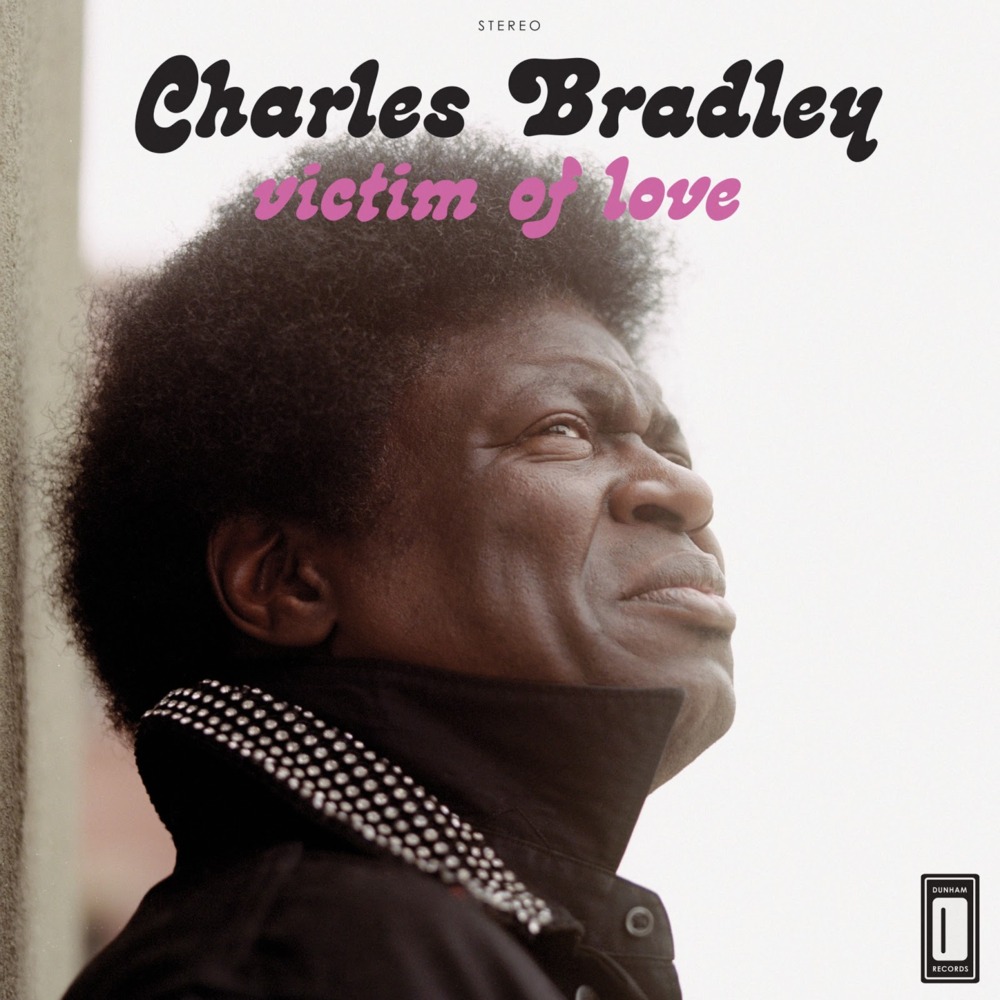
Charles Bradley's raw howl in "Confusion" isn't just a lament; it's a primal scream ripped from the gut of societal unease. The song dives headfirst into the disorientation of modern life, where the deluge of information and constant chatter from 'leaders' and 'people' often obscures rather than clarifies. Bradley isn't just observing chaos; he's viscerally experiencing it, inviting us to feel the 'confusion' in our bones. The repetition becomes a mantra, a desperate attempt to name and thus control the shapeless anxiety that gnaws at the edges of our sanity. Can you stop the storm? Can you stop the rain? Can you stop the love? These questions aren't posed to find answers but to highlight the fundamental lack of control we have over the forces shaping our existence.
The lyrics point to a world saturated with voices, each vying for attention, each promising solutions, yet ultimately contributing to the overwhelming sense of disorientation. Bradley zeroes in on the media's role ('daily news,' 'TV screen') and the empty rhetoric of leadership ('leaders like to talk at times / To a frame, to walk that walk') as key sources of this pervasive confusion. The plea, 'Who you gonna trust / Before the world turn to dust?' underscores the urgency of finding solid ground in a world seemingly on the brink of collapse. This isn't just political cynicism; it's a deeply personal struggle to maintain faith and direction amidst the noise.
But within the chaos, Bradley hints at a path forward. 'Feel! Breathe!' he commands, urging a return to the senses, to the immediate experience of being alive. The concluding lines, 'Shake it / Make it right,' and 'Play with it,' suggest that embracing the confusion, rather than resisting it, might be the key to navigating it. It's an invitation to find agency within the disorder, to dance with the uncertainty rather than be paralyzed by it. The song meaning ultimately rests on the idea that clarity may not be possible, but resilience, and even joy, can be found in the heart of chaos. Bradley's "Confusion" isn't just a description of a state; it's a call to action, a soulful demand for presence in a world that seems determined to disorient us.
 View Artist