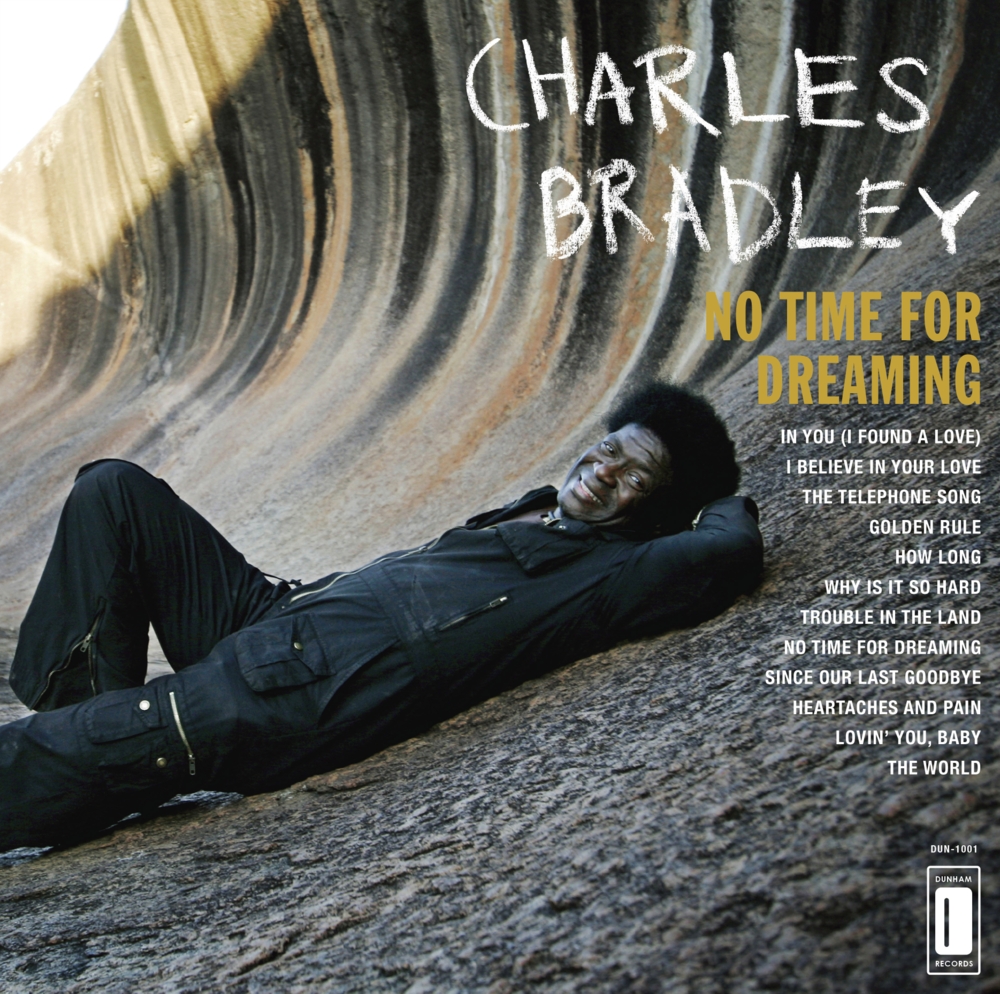
Song Meaning
Charles Bradley's raw, guttural question – "Why Is It So Hard" – isn't just a rhetorical lament; it's a primal scream echoing the frustrations of countless individuals chasing the elusive American Dream. The song's cyclical structure, mirroring the repetitive nature of struggle itself, underscores the feeling of being trapped in a loop of disappointment. Bradley's plaintive vocals, imbued with the weight of lived experience, transform simple lyrics into a profound meditation on economic hardship and the psychological toll it exacts. The repeated line, "I tried so hard to make it in America," speaks to the crushing weight of unfulfilled potential, a sentiment amplified by the stark contrast between the promised "land of milk and honey" and the reality of relentless struggle. This dissonance is the core of the song's emotional power. The lyrics analysis reveals a journey fueled by hope that slowly curdles into resignation.
Bradley's personal narrative, woven into the fabric of the song, lends authenticity to the universal theme. His migration from Florida to Brooklyn, and then to Poughkeepsie, symbolizes a restless search for stability, a quest constantly thwarted by systemic obstacles. The phrase "Seemed like nothing's gonna change / Everything still remained the same" is not merely a statement of fact, but a psychological assessment of despair, the feeling that personal agency is insufficient to overcome entrenched societal forces. This sentiment resonates deeply with those who feel invisible, unheard, and perpetually stuck in a cycle of poverty or marginalization. The idea of moving away to escape the stress, only to find the stress inescapable, touches on the psychological concept of 'learned helplessness,' the perception that one's actions have no impact on the outcome.
Ultimately, "Why Is It So Hard" transcends simple protest song status, evolving into a poignant exploration of the human condition. Bradley’s genius lies in his ability to articulate not just the external barriers to success, but the internal wounds inflicted by persistent failure. The song's power resides in its unflinching honesty, its refusal to offer easy answers or pat platitudes. It’s a blues for the modern age, a soulful cry from the heart of a nation grappling with its own ideals and realities. The repetition in the song acts like a mantra, or perhaps a form of self-soothing, in the face of overwhelming adversity. It's a question asked not in expectation of an answer, but as a means of acknowledging the pain, validating the struggle, and connecting with others who share the same burden.