Song Meaning
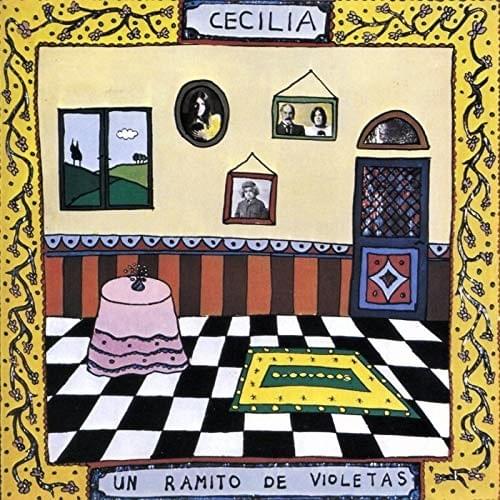
The lyrics paint a stark picture of a shared living space, "Nuestro Cuarto," that has become a repository for both cherished memories and profound loss. Initially, the room is described with mundane, almost sterile details: a bed, a window, a dresser, a closet. Yet, even these simple objects are imbued with a melancholic weight, especially when contrasted with the "húmedas y frías" (damp and cold) walls and a seemingly out-of-place "cuadro dorado de la Virgen María" (golden picture of the Virgin Mary). This juxtaposition hints at an underlying tension, a sacred space now feeling neglected or haunted.
The core emotional conflict surfaces in the chorus: "Aquí reímos, aquí lloré / Y perdí lo que soy y fui casi sin querer" (Here we laughed, here I cried / And I lost what I am and was almost without wanting to). This refrain powerfully captures the room's dual role as a witness to joy and sorrow, and more significantly, as the site where the narrator's sense of self has been eroded. The phrase "casi sin querer" (almost without wanting to) suggests a gradual, almost imperceptible fading of identity, making the loss feel both inevitable and deeply regretful.
The second verse introduces sensory details that deepen the sense of absence. The "eco de tus palabras" (echo of your words), "humo de cigarro" (cigar smoke), and "música de radio" (radio music) are lingering traces of a past presence. The shattered mirror, "que era tuyo y mío" (that was yours and mine), now "solo" and "vacío" (alone and empty), serves as a potent visual metaphor for the fractured relationship and the narrator's own fragmented self. The present emptiness of the mirror directly mirrors the narrator's feeling of being hollowed out.
Ultimately, the lyrics' effectiveness lies in their ability to transform a simple room into a complex emotional landscape. The narrator's present experience is haunted by the past, with the "aire que respiro" (air I breathe) still carrying the scent of a lost love, "Pero todo es diferente" (But everything is different). This final contrast underscores the profound shift from shared intimacy to solitary desolation, making the quiet tragedy of the room palpable.
 View Artist