Song Meaning
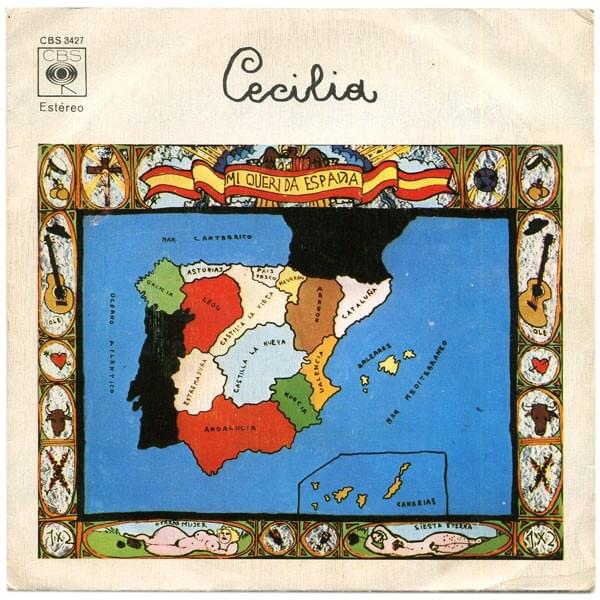
The lyrics paint a portrait of Spain as a beloved, almost personified entity, grappling with a complex identity. The opening lines establish a deep, possessive affection – "Esta España mía, esta España nuestra" – but immediately juxtapose the "santa siesta" with a jarring awakening by "versos de poetas." This suggests a nation roused from a peaceful slumber, perhaps into a period of introspection or turmoil, as the narrator questions its very being: "¿Dónde están tus ojos? ¿Dónde están tus manos? ¿Dónde tu cabeza?" This rhetorical questioning sets a tone of concern and perhaps disillusionment.
The central tension arises from the stark contrast between idealized imagery and harsh realities. The "aras quietas" (quiet altars) and the implied peace of a "siesta" are violently interrupted by "vendas negras sobre carne abierta" (black bandages on open flesh). This visceral imagery points to suffering and past wounds, leading to poignant questions about who inflicted this pain and who endured the nation's "hambre" (hunger) and thirst when it was "seca" (dry). The repeated chorus, "Mi querida España," acts as a constant anchor of affection amidst this painful questioning.
The lyrics employ a powerful metaphor of Spain as a living body, capable of suffering and yearning. The narrator's desire to "ser tu tierra" and "ser tu hierba" upon death is a profound expression of belonging and a wish to remain connected to the land even beyond life. This imagery of merging with the earth signifies an ultimate act of devotion, seeking to become an intrinsic part of the nation's fabric, whether in its moments of peace or its enduring scars. The "pueblo de palabra" (people of word) and "piel amarga, dulce tu promesa" (bitter skin, sweet your promise) further encapsulate this duality of experience and hope.
Ultimately, the effectiveness of these lyrics lies in their ability to evoke a deep, personal connection to a nation through intimate address and stark contrasts. The narrator’s blend of tender affection and unflinching acknowledgment of pain creates a powerful emotional resonance. It’s this acknowledgment of a complex, wounded, yet deeply loved homeland that makes the plea to become part of its very earth so moving.
 View Artist