Song Meaning
The lyrics paint a tender, almost suffocating portrait of devotion to a creature named Juno. The narrator finds their world shrinking to the immediate needs of this "baby," who "settles down on me" and "settles down to sleep." This physical closeness is absolute, with the narrator admitting, "Guess I'm not moving till she decides to leave." The repetition of "I hope she never goes" underscores a deep-seated fear of separation, a desire to freeze this moment of peaceful coexistence.
The central tension arises from the narrator's own survival being intrinsically linked to Juno's well-being, yet requiring a conscious effort to stay present. "I do it for Juno," they declare, admitting to a self-deception: "Pretend her life is on the line / Manipulate myself into staying alive." This suggests a profound internal struggle; caring for Juno is the impetus to live, but it's a borrowed motivation, a fragile construct built to overcome inertia or despair. The act of "struggle up off of the ground" is framed as easier when focused on Juno, highlighting how external care can anchor a faltering internal state.
The most striking craft element is the juxtaposition of Juno's perceived innocence and the narrator's existential burden. Juno is presented as pure, a being who "never done nothing wrong" and who "sleep[s] in the sun." This idealized image contrasts sharply with the narrator's admission of manipulation and struggle. The repeated phrases, especially "I let her sleep in the sun" and "She's never done nothing wrong," function as a mantra, reinforcing Juno's untainted nature and perhaps the narrator's own longing for such simplicity. The act of caring for Juno becomes a lifeline, a reason to exist when self-preservation feels too difficult.
Ultimately, these lyrics resonate because they capture the profound, sometimes overwhelming, responsibility of caregiving, especially when it becomes the primary reason for one's own existence. The writing grounds this abstract emotional weight in concrete, almost domestic imagery – a baby sleeping, a drawer of bedsheets – making the narrator's internal battle feel both intimate and intensely relatable. The vulnerability in admitting to self-manipulation for the sake of another, while simultaneously idealizing that other, creates a powerful emotional core.
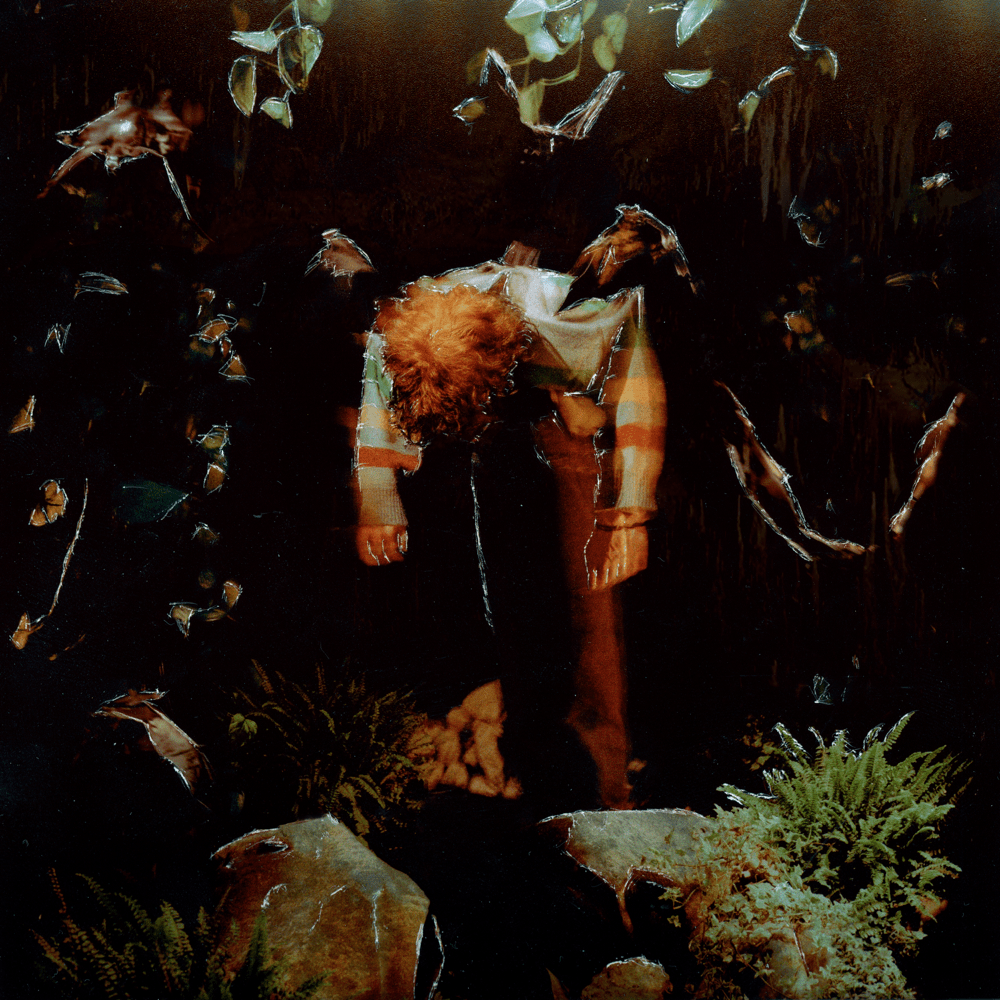
 View Artist