Song Meaning
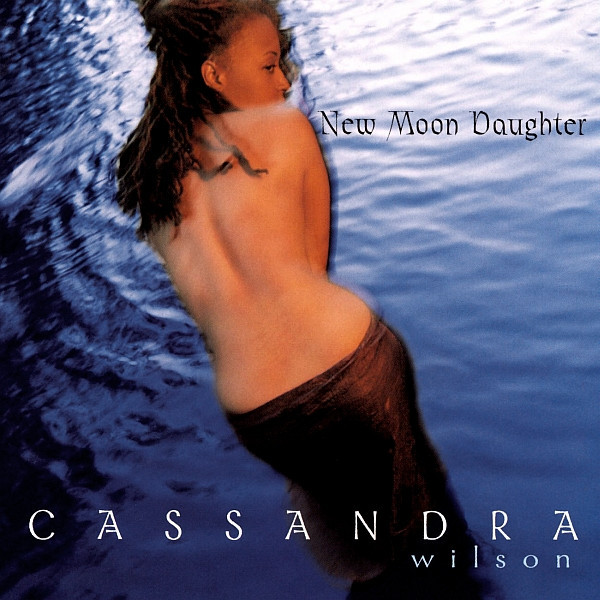
Cassandra Wilson's rendition of "Skylark" isn't just a song; it's a whispered plea carried on the wind. The lyrics paint a portrait of longing so acute it transcends simple heartbreak, becoming a universal ache for connection. The skylark itself is more than a bird; it's a messenger, a confidante, a fragile hope sent soaring into the vast unknown. Wilson's interpretation taps into the primal human desire to project our emotions onto the natural world, seeking solace and answers in the rustling leaves and the flight of birds. The 'meadow in the mist' and 'valley green with spring' aren't just locations; they're idealized mental spaces, projections of a love both yearned for and potentially unattainable.
The song's genius lies in its understanding of how grief and hope intertwine. The 'music in the night' is described as 'faint as a will o' the wisp' and 'sad as a gypsy serenading the moon' – ephemeral, almost illusory, yet intensely evocative. This captures the paradoxical nature of hope, which can feel both incredibly powerful and impossibly fragile. Wilson doesn't shy away from the melancholic undertones; instead, she embraces them, acknowledging the inherent sadness in seeking something that may not exist. The singer recognizes the inherent risk in pinning her hopes on the skylark's wings, admitting she doesn't even know if the bird 'can find these things.'
Ultimately, "Skylark" speaks to the human need for external validation in the face of internal turmoil. By entrusting her heart to the skylark, the singer attempts to externalize her yearning, giving it a tangible form and a direction. The song’s meaning resides not just in the lost love, but in the act of searching itself. It's a testament to the enduring power of hope, even when tinged with the bittersweet knowledge that the object of our desire may remain forever out of reach. Cassandra Wilson's delivery amplifies this sense of yearning, transforming a classic into a deeply personal and resonant experience.
 View Artist