Song Meaning
Cassandra Wilson's interpretation of "I'm So Lonesome I Could Cry" isn't merely a cover; it's a profound excavation of Hank Williams' original lament. Stripped of its countrypolitan sheen, Wilson's version lays bare the song's psychological core: a portrait of abject loneliness bordering on existential despair. The genius of the lyrics lies in their anthropomorphic projection of sorrow onto the natural world. The whippoorwill's mournful cry, the weeping robin, even the moon hiding its face – these aren't just poetic devices; they're externalizations of the narrator's internal state, a mind so consumed by solitude that it sees its own suffering reflected in every facet of the universe.
Wilson's bluesy delivery amplifies the feeling of isolation. Her voice, husky and world-weary, doesn't just sing the lyrics; it embodies them. The slowed tempo and sparse instrumentation create a sonic landscape as desolate as the emotional one described in the song. The repeated refrain, "I'm so lonesome I could cry," becomes less a statement of fact and more a mantra, a desperate attempt to articulate a feeling so overwhelming it threatens to obliterate the self. It speaks to a loneliness so profound it transcends simple sadness, hinting at a deeper, more pervasive sense of alienation.
Ultimately, Wilson’s rendition of "I'm So Lonesome I Could Cry" transforms a classic country song into a haunting meditation on the human condition. The falling star, rendered silent against a purple sky, becomes a metaphor for the narrator's own fading hope. The question "where you are" is almost secondary; the real tragedy is the speaker's inability to find solace or connection in a world that seems to mirror their own desolation. The song's power resides in its unflinching portrayal of this emotional abyss, a space where loneliness isn't just a feeling, but a fundamental state of being.
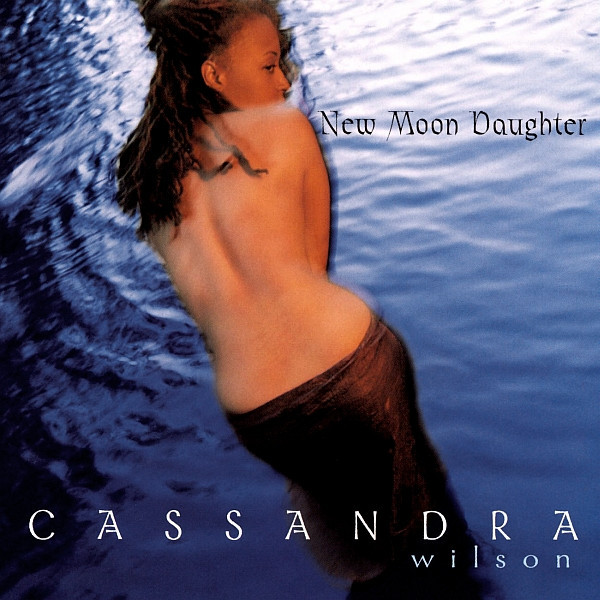
 View Artist