Song Meaning
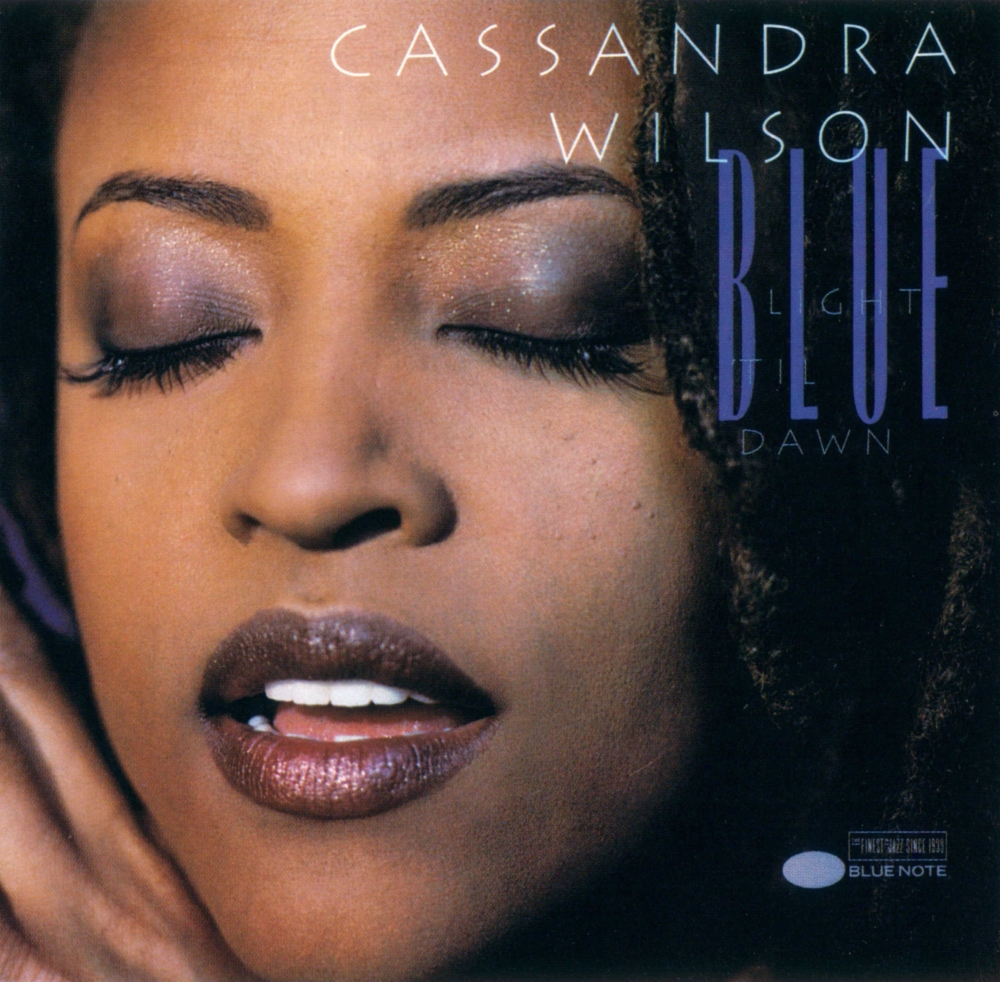
Cassandra Wilson's interpretation of "I Can't Stand the Rain" isn't just a weather report; it's a masterclass in sonic melancholia. Wilson transforms Ann Peebles' soul classic into a haunting exploration of absence, where the recurring patter of rain becomes a psychological trigger, each drop amplifying the ache of lost love. The rain isn't merely an unpleasant meteorological event; it's an unwelcome guest, crashing against the 'window' of the narrator's mind, shattering the fragile peace she attempts to construct in the wake of her lover's departure. It's a relentless reminder of brighter days, now painfully out of reach. The song meaning, at its core, resides in this intersection of external weather and internal emotional climate.
The genius of the lyrics analysis lies in its simplicity. The 'window' functions as both a literal object and a potent symbol, a barrier between the narrator and the outside world, but also a screen onto which past memories are projected. The recurring line, 'Bringing back sweet memories,' underscores the torment of nostalgia. It's not just sadness; it's the exquisite pain of remembering what *was*, now juxtaposed with the stark reality of what *is*. The pillow, 'where his head used to lay,' becomes another object imbued with loss, a silent witness to a love that's faded. The lyrics subtly explore the theme of voiceless objects holding memories, unable to offer comfort or explanation, much like the emotional numbness that can accompany grief.
Wilson's delivery, with its signature smoky timbre, elevates the song beyond a simple lament. It's a study in controlled vulnerability. The repetition of 'I can't stand the rain against my window' isn't just a refrain; it's a mantra of resistance, a desperate attempt to ward off the encroaching darkness of sorrow. The final, almost whispered, repetition of 'Rain, rain, rain, rain, rain against my window' leaves the listener suspended in the narrator's emotional space, feeling the relentless drumming of grief, the inescapable echo of what's been lost.
 View Artist