Song Meaning
Cassandra Wilson's "Black Crow" isn't just a song; it's a stark portrait of the artist as a restless soul. The central metaphor, the black crow against the blue sky, immediately establishes a sense of displacement and searching. This isn't a celebration of freedom, but rather an acknowledgment of rootlessness. The crow's raggedness and the highway's darkness suggest a journey fraught with difficulty, a constant movement away from something rather than toward something concrete. The crow's scavenging for "something shiny" speaks to a superficiality, a magpie-like attraction to fleeting pleasures or distractions that ultimately fail to satisfy. The song's meaning lies in this tension between the allure of the open sky and the hollowness of endless pursuit. The lyrics illustrate a life spent in transit—ferries, highways, planes, trains—a relentless cycle that begs the question: what is being chased, and at what cost?
The repetition of travel methods emphasizes the alienation the narrator feels. This constant movement, "in search of love and music," hints at a deeper yearning, yet the description of life as "illumination, corruption, and diving" suggests a chaotic, perhaps even self-destructive, pattern. The diving imagery, particularly the repetition, evokes a sense of desperation, a frantic grasping for meaning or fulfillment. The "shiny little thing[s]" the crow seeks are clearly inadequate substitutes for genuine connection or inner peace. Wilson doesn't romanticize the wandering life; she lays bare its inherent anxieties and the potential for losing oneself in the process.
The final verses bring the song's themes into sharp focus. The haggard face in the bathroom light is a moment of brutal self-reflection, a confrontation with the consequences of a life lived on the move. Seeing the "ragged soul take flight" suggests a reluctant acceptance of this restless nature, perhaps even a degree of identification with the black crow. The "blue sky" which seems hopeful initially, becomes, in the final iteration, a vast, indifferent expanse against which the crow's solitary flight is all the more poignant. "Black Crow" is less about the romance of the road and more about the existential cost of perpetual motion, a search for home that may never find its destination.
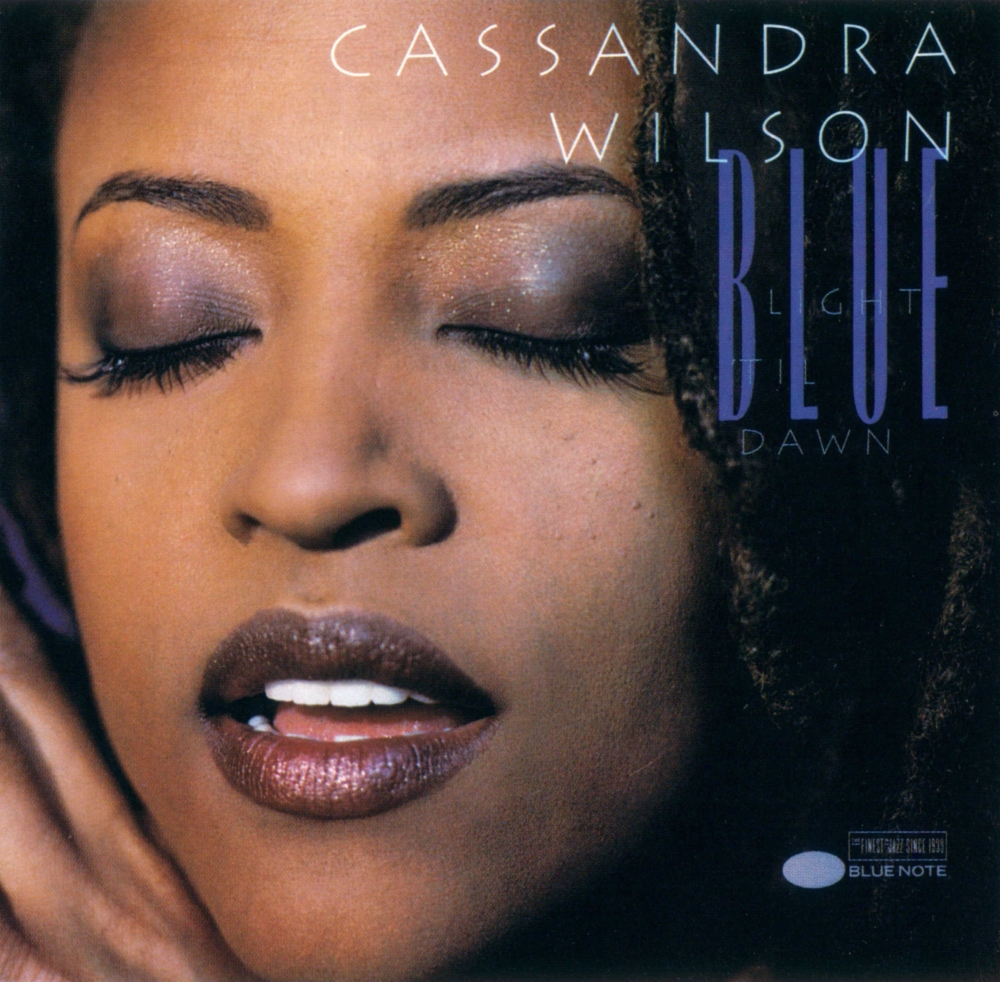
 View Artist