Song Meaning
The lyrics open with a vivid return of cherished memories, painting a scene where "the grace, the laughter, the flowers of joy" resurface, quieting the narrator's persistent worries. This initial image suggests a powerful, almost magical recall of happiness, a moment where past beauty actively dispels present anxieties. The narrator's "stubborn fantasy" seems to be the very engine of this emotional revival, highlighting an internal landscape where memory holds potent sway.
This personal recollection quickly broadens into a universal declaration: "We are born to love!" The lyrics posit that humanity is inherently drawn to "bonds of tenderness," framing love not just as a choice but as a fundamental aspect of our nature. The object of this affection is described with alluring terms like "sweet attraction" and "beauty," suggesting an irresistible force that "enchants, seduces, persuades." This elevates the experience of love to something almost divine in its power.
The poem then pivots to a more demanding view of love, asserting that "weakness in love is an offense," even one reaching a "supreme degree." The narrator insists that "passion requires passion, extreme fervor," and that "with extreme fervor one is rewarded." This creates a tension between the gentle, natural pull of love and a more intense, almost transactional expectation of reciprocity and ardor. It suggests that a half-hearted approach to love is not merely insufficient but actively offensive.
This intensity leads to a contemplation of love's potentially tyrannical nature, questioning if "divine powers" force hearts and lamenting the dimming of "pure light" of reason when faced with such overwhelming passion. The lyrics conclude by redefining fate, stating, "There is no friendly fate, nor dark fate; fates are passions, they are wills." This powerful reframing suggests that our destinies are not predetermined but are instead forged by the very passions and desires that drive us, particularly in love. The effectiveness lies in this progression from personal memory to universal truth, then to a demanding philosophy of love, and finally to a radical redefinition of agency and destiny through sheer will and passion.
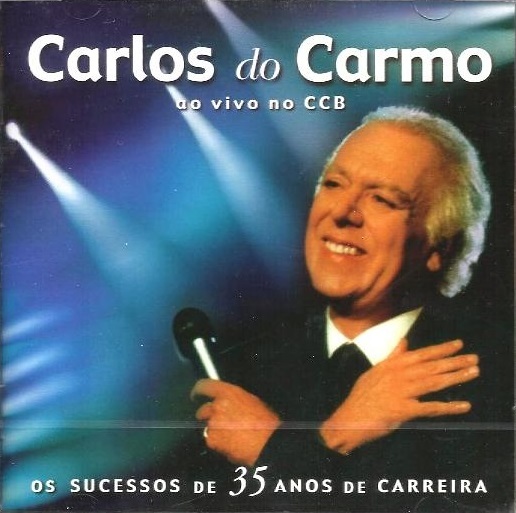
 View Artist