Song Meaning
The lyrics issue a stark invitation: "Come and see, come and see what they don't want to see." This isn't a casual suggestion but a demand to confront a reality deliberately ignored by those who "live without seeing." The narrator insists on showing the "light of my street," a light that is conspicuously absent, repeated to emphasize its elusiveness. This sets up a core tension between a visible, yet unseen, hardship and the willful blindness of others.
The central conflict emerges as the lyrics contrast the imagined "palace" with the gritty reality of Vallecas in 1975. This palace is "unreal," inaugurated with "carpets of mud" and "tapestries of paper," illuminated by the passing hours of the night. It's a hollow grandeur, a facade built on decay. The narrator then pivots to what "schools and houses we could have," highlighting a potential future starkly at odds with the present struggle for survival, where people "look for a living as best we can."
The most striking craft element is the escalating, almost confrontational, series of invitations that morph into rejections. The initial "Vengan a ver" (Come and see) becomes "Come one by one. Come unarmed. Come, dare." This builds to a desperate plea for acknowledgment. However, the tone abruptly shifts with "Don't bring your dogs. Come, don't threaten." The final, sharp turns – "Look, better not come!" followed by "Go away. Get lost. Die" – reveal the narrator's exhaustion and profound disillusionment. The invitation to see transforms into a bitter dismissal, a testament to the deep chasm between the observer and the observed.
This writing is effective because it masterfully navigates a complex emotional arc from defiant invitation to weary, angry rejection. The repetition of "Vengan a ver" initially feels like an earnest plea, but its transformation into a series of increasingly hostile commands underscores the futility of seeking external validation or aid. The stark imagery of mud and paper tapestries, juxtaposed with the potential for better schools and homes, grounds the abstract concept of neglect in tangible, heartbreaking details. The final, brutal commands serve as a powerful expression of alienation and the profound pain of being unseen and unheard.
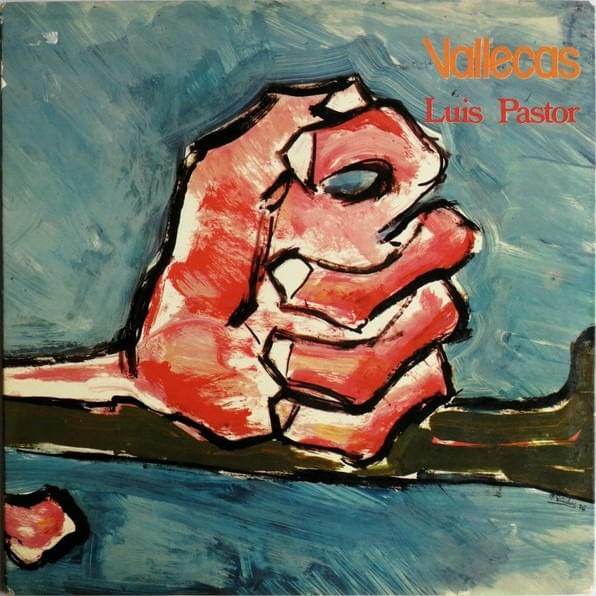
 View Artist