Song Meaning
The narrator arrives with a stark declaration: "Verdades como puños," ready to "alzar nuestra verdad." This sets a tone of righteous confrontation, a desire to speak uncomfortable truths. The introduction of "Pero Grullo," a figure known for stating the obvious, immediately introduces a layer of irony. It suggests that the "truths" being presented are perhaps so fundamental, so self-evident, that they are almost absurdly simple, yet have been ignored or obscured.
The core of the song's tension lies in the narrator's repeated attempts to reach out, symbolized by extending a hand, only to find what they seek is already claimed or inaccessible. The hand reaches for bread, but it "tenía dueño" – it belonged to someone else, and couldn't be afforded. Then, the hand reaches for the air, only to find "El aire ya era vuestro" – the very air has been taken. This escalating denial of basic necessities and even the intangible creates a profound sense of dispossession and powerlessness.
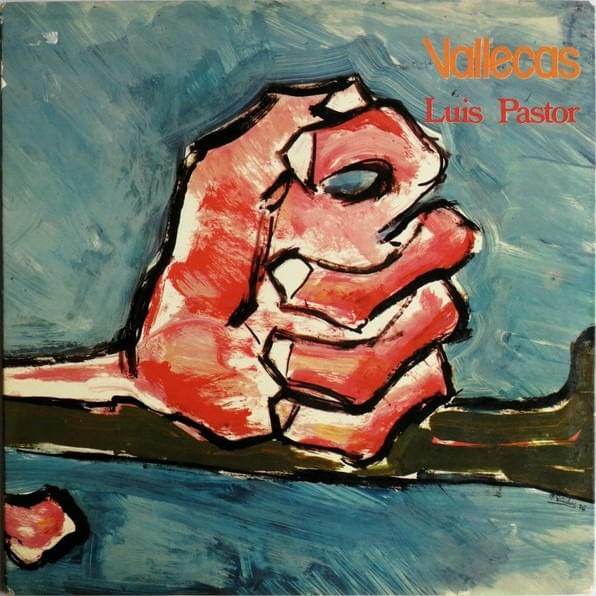
The most striking craft element is the powerful imagery of the hand becoming "apretada" – clenched tight. This physical manifestation of frustration and lack of access is visceral. The repetition of "La mano / Sin aire / La mano / Con nada / La mano apretada" hammers home the feeling of being suffocated and empty-handed. The final act of showing this clenched fist "a la cara" is a direct, defiant challenge, a stark presentation of the narrator's state of deprivation.
This lyrical construction is effective because it grounds abstract concepts of ownership and inequality in concrete, relatable physical sensations. The contrast between the initial bold declaration of truth-telling and the ultimate image of a clenched, empty hand is devastating. It’s a potent, word-picture of systemic exclusion, where even the most basic elements are beyond reach, leaving only a fistful of nothing.
 View Artist