Song Meaning
The lyrics paint a picture of a unified, albeit diverse, world, where common lives and various expressions of faith coexist. The opening lines present a vision of an "indivisible world" encompassing "rabble, religions, and manifestations," suggesting a fundamental interconnectedness beneath the surface. This idea of unity is further explored through the concept of destiny, where everything, like falling raindrops, eventually returns to the earth, implying a cyclical and shared existence.
The central tension emerges in the repeated plea, "Me dê a mão de sabão, de sabão, de sabão, de sabão," which jarringly contrasts with the spiritual and peaceful imagery that follows. This request for a "hand of soap" feels like a desire for cleansing or perhaps a mundane, earthly need juxtaposed against the spiritual aspirations. The subsequent lines, "E de shalom, de shalom, de shalom, de shalom, de shalom," directly invoke peace and well-being across multiple religious traditions – "Na missa alah de shalom, Na de krishna de shalom, Na de oxalá de shalom, Na de buda de shalom." This juxtaposition highlights a yearning for universal peace that transcends specific doctrines.
The most striking craft element is the insistent repetition of "shalom" and the invocation of diverse religious figures and practices, all united under this banner of peace. The lyrics propose a syncretic vision where the divine is found in the mundane and the spiritual, from "violão" (guitar) to "favo de feijão" (bean honeycomb), and from religious services to the simple act of sharing bread. The imagery of "correios pro litoral" (streams to the coast) and a "lenda canção" (legendary song) flowing, giving "margin for the marginal," further emphasizes a fluid, inclusive, and perhaps rebellious spirit.
Ultimately, the effectiveness of these lyrics lies in their ability to weave together the ordinary and the sacred, the specific and the universal. The repeated call for "shalom" acts as an anchor, grounding the diverse elements into a singular, powerful aspiration for peace and unity. The final lines, "O mundo é puro e são, Igual teu rumo luz" (The world is pure and sound, Like your path of light), offer a hopeful conclusion, suggesting that this ideal state of peace is not only possible but inherent, waiting to be recognized in the shared journey of life.
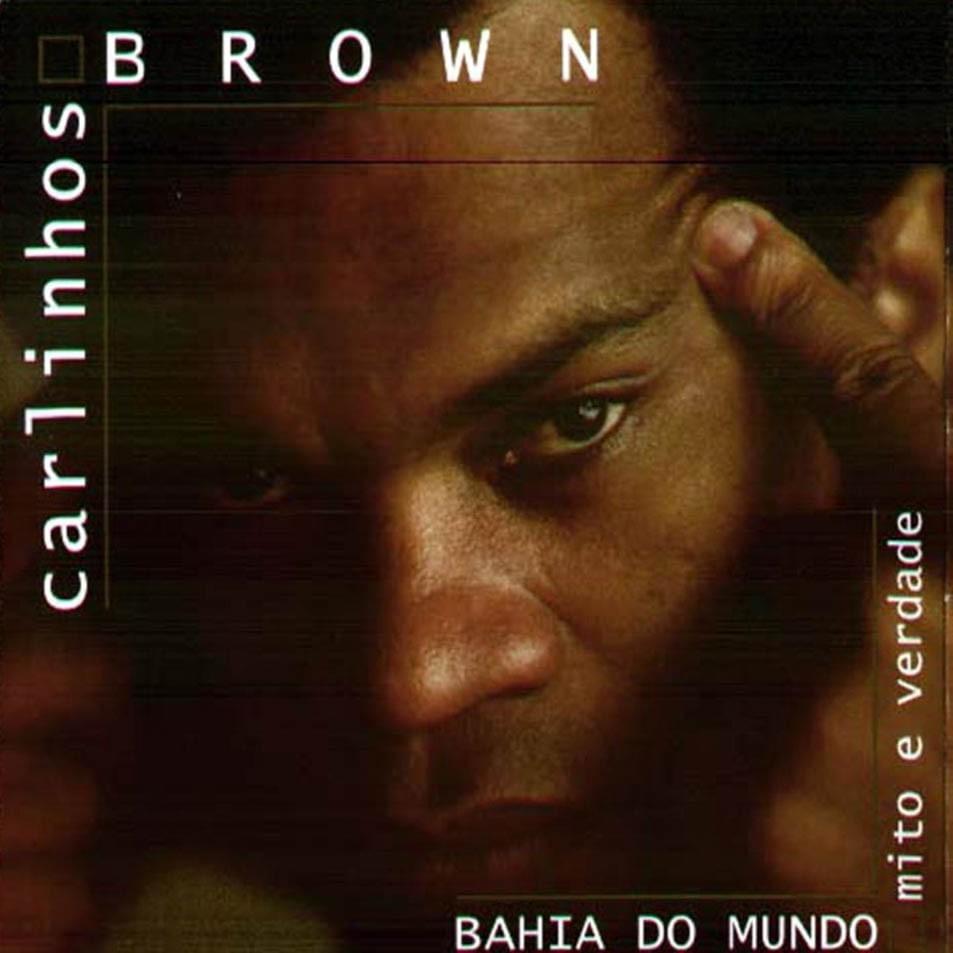
 View Artist