Song Meaning
The lyrics paint a vivid, almost dreamlike landscape, blending disparate images into a singular, evocative mood. The opening lines immediately juxtapose the arid "sahara" with the Brazilian state "paraíba," suggesting a vast, perhaps internal, journey. This is quickly followed by the contrasting "camelo" (camel) and "jangada" (raft), hinting at a movement across both land and sea, a fusion of different worlds.
The central tension seems to lie in a desire to both appease and escape, to "apagar ira" (extinguish anger) while simultaneously preparing for a grand, perhaps defiant, departure. The repeated "Ê chebba dan, dance" acts as an insistent, almost hypnotic refrain, urging movement and celebration amidst this internal or external flux. It’s a call to action, a rhythmic pulse that underpins the more abstract lyrical imagery.
The craft here is in the surprising juxtapositions and the sonic texture. Phrases like "dália adaga" (dahlia dagger) create a sharp, beautiful danger, while "bando de ouro" (flock of gold) suggests immense value and perhaps a collective, glittering escape. The imagery of flying "de balão" (by balloon) offers a sense of ethereal liberation, a departure from earthly constraints.
This lyrical tapestry works by creating a feeling of boundless possibility and a slightly melancholic urgency. The blend of geographical markers, contrasting modes of transport, and the insistent dance refrain crafts an atmosphere of both grounding and flight, making the listener feel the pull of distant horizons and the immediate need to move. The final "Ecoriabê, coriá" adds a layer of sonic mystery, a wordless affirmation of this unique, unfolding experience.
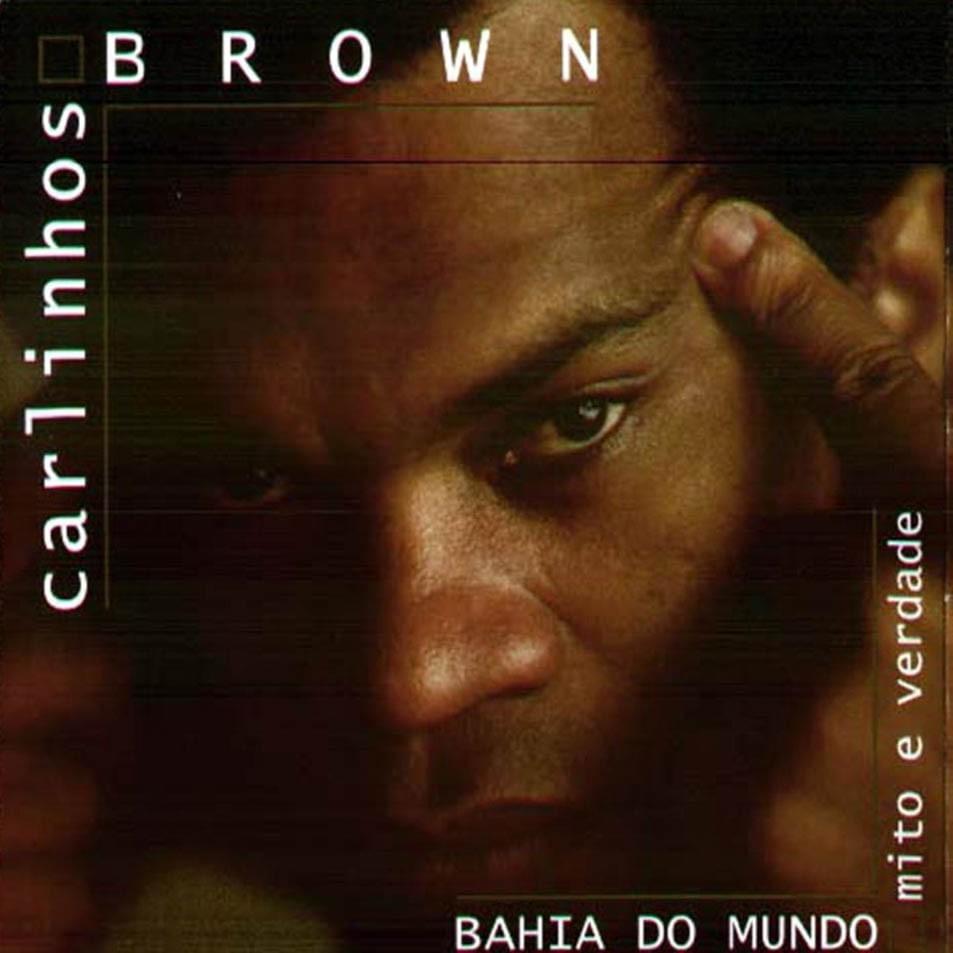
 View Artist