Song Meaning
Carl Smith's "Walking The Slow Walk" isn't just a country lament; it's a masterclass in regret, a sonic portrait of delayed reckoning. The song's core revolves around the agonizing realization of one's own failings in a relationship, delivered with the stark simplicity that defines classic country. It's the kind of honesty that cuts deep, especially for anyone who's ever fled a difficult situation only to find that the problem—and the pain—traveled right along with them. The phrase "walking the slow walk all alone" functions as both confession and sentence. It's not just about being alone; it's about the agonizing pace of self-imposed exile, where every step is a reminder of what was lost. Musically, the likely deliberate pacing mirrors this emotional trudging. This isn't a sprint toward redemption; it's a long, hard slog.
The lyrics themselves are economical, almost brutally so. There's no elaborate storytelling, no attempts to justify past actions. Instead, Smith delivers a series of stark admissions: he "was a fool so many times," he "broke her heart." The simplicity amplifies the emotional weight. The recurring lines, "Too late I realized / I should have apologized / Instead I ran away / I know now I should have stayed," highlight the torment of hindsight. It's a familiar psychological space—the chasm between what we did and what we now know we *should* have done. The repetition underscores the circular nature of regret, the way it can trap us in endless loops of self-recrimination.
Ultimately, the song meaning of "Walking The Slow Walk" isn't just about romantic regret; it's about the broader human tendency to avoid confrontation, to prioritize short-term comfort over long-term connection. The 'slow walk' becomes a metaphor for the long, arduous journey of facing the consequences of our choices. It suggests that true growth often comes not from running away, but from staying put and confronting the mess we've made, even when—especially when—it's the hardest thing to do.
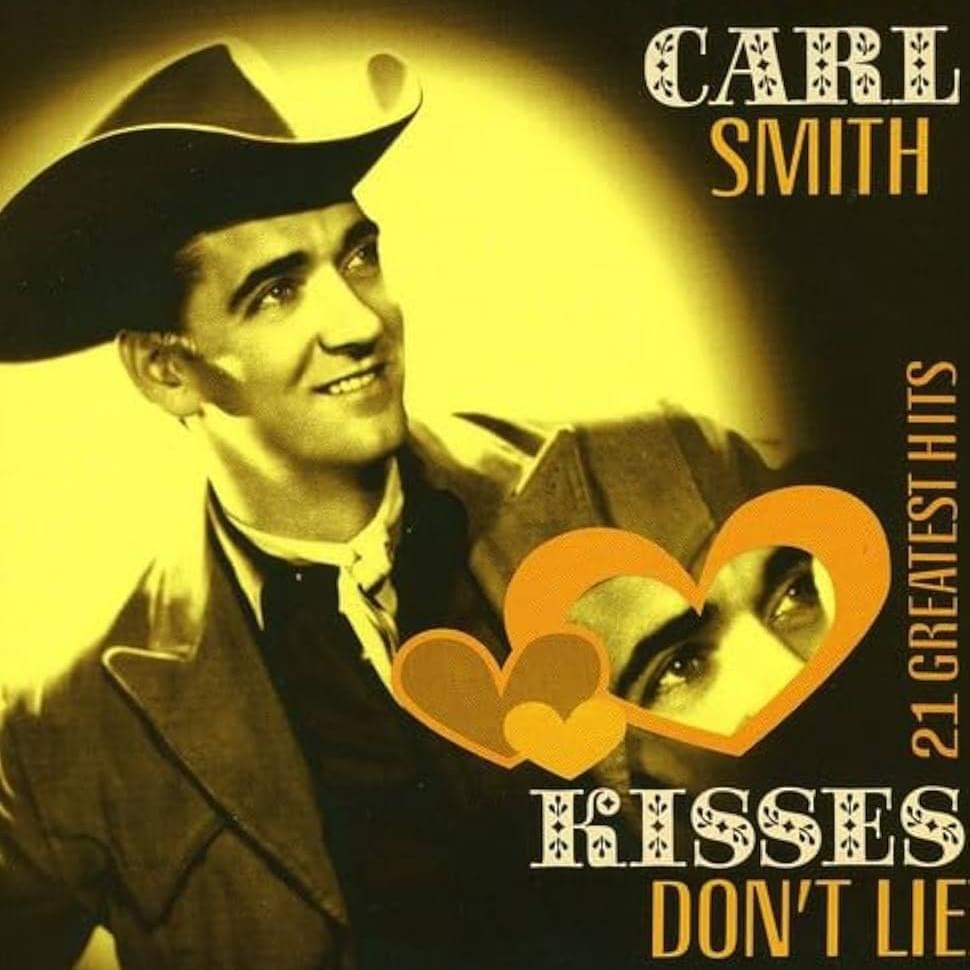
 View Artist