Song Meaning
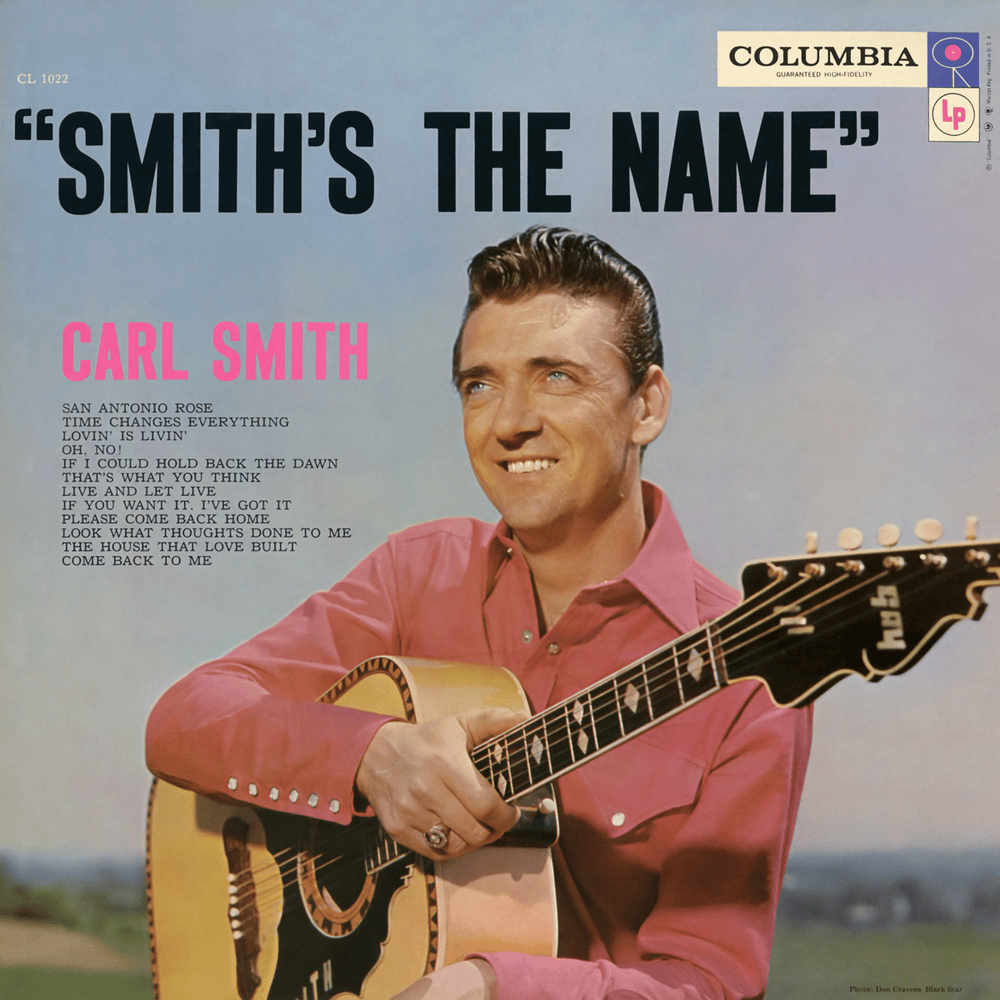
Carl Smith's "Time Changes Everything" isn't just a country lament; it's a concise, almost brutally efficient autopsy of lost love. The track circles the central thesis – time's relentless mutability – with the weary acceptance of a man who's seen the seasons turn, both literally and metaphorically, on his heart. It's not about assigning blame or wallowing in melodrama; it's an acknowledgment of the inevitable erosion of even the most fervent emotions.
The lyrics themselves are stark and direct. The early declaration, "Our hearts beat as one while we had our fun," feels less like a nostalgic yearning and more like a clinical observation from a detached perspective. The almost unnerving line, "Time has passed, I forgot you," underscores the song's unsettling core. It's not just that the love faded; it's that the person who was once the center of his world has become a faded memory, a testament to time's erasing power. The line about Mother Nature doing "wonderful things" adds a layer of cold comfort, as if forgetting the past is a natural and necessary part of life's cycle.
Smith avoids histrionics, delivering the final goodbye with a quiet resignation. The lines, "You go your way and I'll go mine / 'Cause time has changed everything," are delivered with a world-weariness suggesting this isn't his first heartbreak, and it likely won't be his last. The song's power lies not in its soaring melodies or intricate wordplay, but in its unflinching honesty about the impermanence of love. “Time Changes Everything” ultimately leaves the listener with a chilling, if somewhat comforting, thought: that even the deepest wounds can eventually be healed by the simple, unstoppable passage of time.
 View Artist