Song Meaning
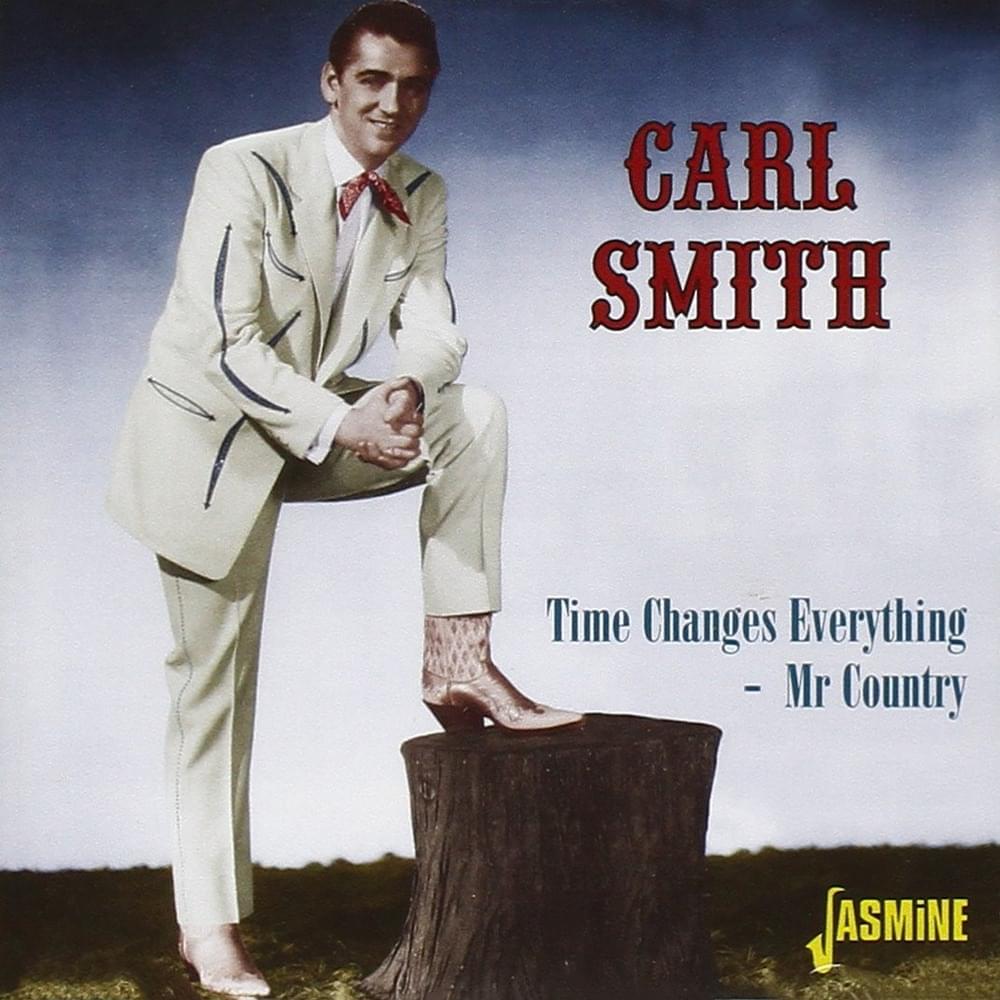
Carl Smith's "There's a Bottle Where She Used To Be" isn't just a country weeper; it's a stark portrait of grief's brutal algebra. The song's power lies in its unflinching simplicity, the raw admission of a man consumed by loss. The bottle isn't a metaphor; it's a physical manifestation of absence, a cold, hard replacement for the warmth of a lover. It's a space-filler, a constant, bitter reminder of what's been irrevocably taken. The lyrics analysis reveals a journey's end, not in a triumphant sense, but in a surrender to despair. "Heaven have mercy on me," he pleads, already knowing that earthly salvation is beyond reach.
The repeated line, "There's a bottle where she used to be," is more than just a refrain; it's a haunting echo of emptiness. It speaks to the addictive nature of sorrow, the way grief can warp into a perverse comfort. The wine, rather than offering solace, amplifies the pain, each swallow a renewed acknowledgement of his heartbreak. The singer isn't just mourning the loss of his love; he's mourning the loss of himself. He acknowledges the destruction the "bottle" brings, confessing "My life I've lost to this bottle / There's no future for someone like me," a devastating acceptance of his self-inflicted fate.
The imagery of nightfall in the line, "At night when daylight turns to darkness," further underscores the depth of his isolation. Darkness, traditionally associated with fear and uncertainty, here symbolizes the all-consuming nature of his grief. Through tear-filled eyes, he sees the totality of his loss, the realization that everything he lived for is gone. In essence, "There's a Bottle Where She Used To Be" is not just a song about heartbreak; it's a chilling examination of how loss can erode the very will to live, leaving behind only the cold comfort of oblivion.
 View Artist