Song Meaning
Carl Smith's "The Little White House" isn't just a country ballad; it's a masterclass in melancholic longing. The titular house, standing "down the street on the corner," becomes a physical manifestation of lost love and shattered dreams. Smith doesn't need to spell it out; the image of the house, once vibrant with shared aspirations, now serves as a haunting reminder of what's been irrevocably lost. The paint might still be white, but the dreams within have faded to gray. The mailbox, with its ever-present key, is a poignant symbol of unwavering hope, or perhaps, a more troubling inability to move on. It's a testament to a love that refuses to accept its demise, clinging desperately to the illusion of a possible reunion. The repeated plea, "Please come home again," underscores the narrator's vulnerability and desperation. There's no anger, no resentment, only a profound sense of loss and a yearning for reconciliation. The declaration "my love I've never been untrue" hints at a potential reason for the separation, perhaps the narrator was left, but insists on his loyalty. This line is not just a statement of faithfulness; it's a desperate attempt to rewrite the narrative, to convince both the absent lover and himself that the relationship is worth salvaging.
The image of the narrator repeatedly driving by the house, searching for a light that never appears, speaks volumes about the psychological state of someone trapped in the past. This isn't just about missing a person; it's about being haunted by the ghost of a shared future. The light symbolizes hope, connection, and the promise of rekindled love, but its absence confirms the painful reality of abandonment. Even the flowers, once symbols of vibrant love, now "seem to cry," reflecting the narrator's own grief and the pervasive sense of decay. The roses red and violets blue, once vibrant, now mirror the narrator's blue mood.
Ultimately, "The Little White House" is a stark exploration of denial and the human capacity for self-deception. The key still fitting the door isn't a sign of enduring love; it's a symbol of stagnation. The dream that "will always belong to me and you" is a phantom, a carefully constructed illusion that shields the narrator from the full weight of his heartbreak. While the song tugs at the heartstrings, it also serves as a cautionary tale about the dangers of clinging to a past that can never be reclaimed. It's a testament to Carl Smith's ability to tap into the raw, unfiltered emotions that define the human experience of love and loss.
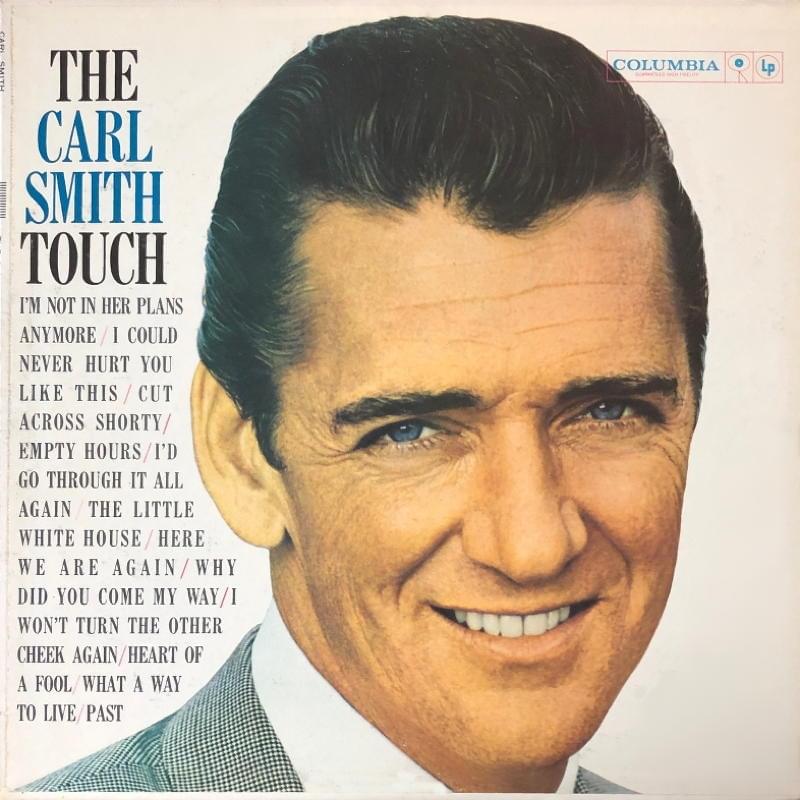
 View Artist