Song Meaning
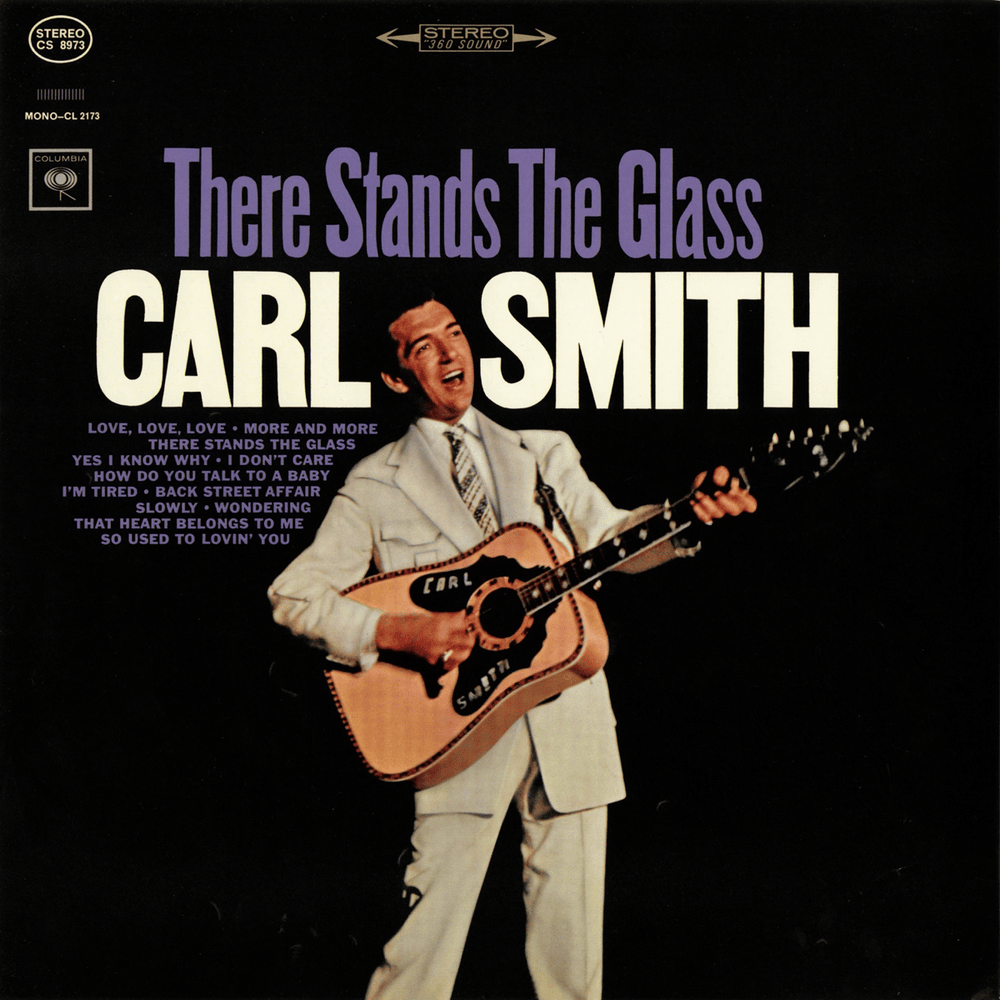
Carl Smith's "So Used To Lovin' You" isn't just a country lament; it's a raw excavation of the habits of the heart. The song meaning resides in that deeply ingrained muscle memory of affection. The lyrics paint a portrait of a man not necessarily undone by heartbreak itself, but by the sheer force of routine. He's not just missing a person; he's missing a pattern, a neurological pathway etched deep by repeated experience. The simple declaration, “So used to loving you / I can't believe we're through,” speaks volumes about the disorienting effect of suddenly severing a fundamental connection. It's the kind of after-the-fact realization that dawns slowly, like the persistent ache of a phantom limb.
What elevates "So Used To Lovin' You" beyond a simple breakup ballad is the tinge of generosity woven into its regret. It's not a screed of bitterness, but an almost paternalistic reassurance offered to the departed lover. Lines like “Darling, if you ever change / You can still share my name” and “Don't hang your head in shame / If some mistake you've made” suggest a profound empathy. He understands the imperfections of human nature, granting her absolution before she even seeks it. This isn't about blame; it's about the enduring, almost unconditional nature of a love that refuses to fully extinguish, even in separation.
The repetition of the title phrase throughout the song acts as a kind of mantra, a constant reminder of the almost involuntary nature of his feelings. The repeated attempts to "find someone to ease my mind" only underscore the futility of trying to replicate a connection built on years of shared experience. It's a testament to the fact that love, at its deepest, isn't a choice but a deeply ingrained reflex. Carl Smith masterfully captures the quiet desperation of being haunted not just by a memory, but by the ghost of a habit, in this poignant analysis of love and loss.
 View Artist