Song Meaning
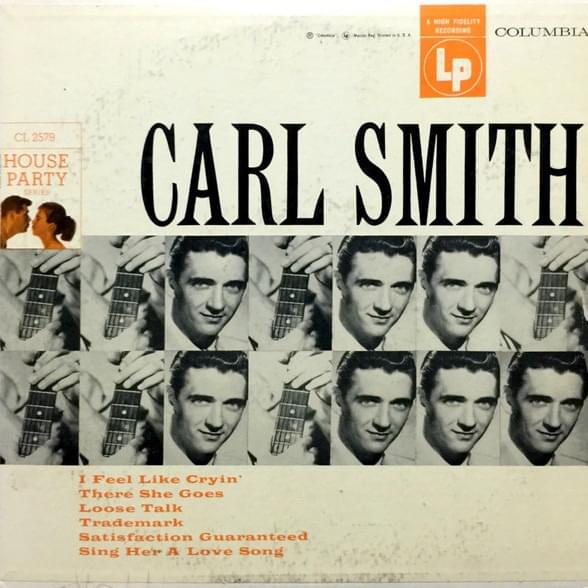
Carl Smith's "Sing Her a Love Song" isn't a complex philosophical treatise, but rather a straightforward, almost painfully earnest instruction manual for the romantically challenged. The song meaning resides in its simple premise: when words fail, music speaks. It's a testament to the power of melody to articulate emotions that the speaker finds difficult to express directly. The lyrics posit that a well-placed love song can bypass the need for "pretty speeches" or articulating the ineffable feelings one experiences when holding a loved one. It cuts to the chase, suggesting that musical expression is a valid, even preferred, method of conveying affection. He is not saying, in any way, that words are not to be used, but that music can enhance the words or be a substitution when the man is challenged by expressing himself.
At its core, the song taps into a fundamental human insecurity: the fear of inadequacy in matters of the heart. The lyrics frame singing as a workaround, a tool for those "not gifted" with eloquence. This framing inadvertently reveals a vulnerability, acknowledging the potential for miscommunication or failure in verbal expressions of love. The repetitive structure of the lyrics reinforces this simplicity, hammering home the message that action trumps inaction, even if that action involves outsourcing your emotions to a melody. The repetition further emphasizes the importance of consistent and unambiguous displays of affection.
Ultimately, "Sing Her a Love Song" operates on the principle that sincerity, even when clumsily executed, is more valuable than eloquent silence. It's a musical nudge, reminding us that sometimes the most effective way to connect with someone is through the universal language of music. The song uses music as a tool to share a message that would not be as effective if it were spoken. It's an acknowledgement that sometimes the feelings are so deep that music is the only way to express them. It offers a simplistic solution to a complex emotional problem, suggesting that musical expression can bridge the gap between intention and articulation, allowing even the most tongue-tied lover to convey their deepest affections.
 View Artist