Song Meaning
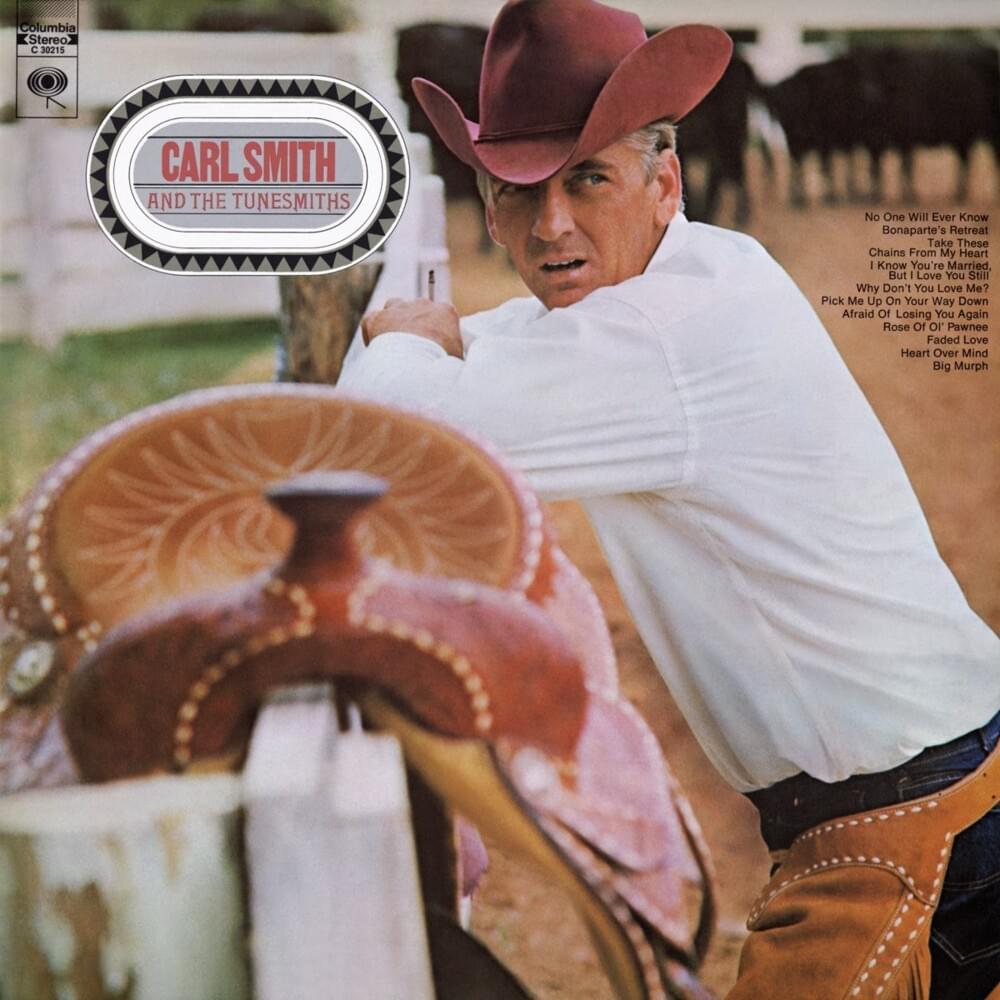
Carl Smith's "Rose Of Ol' Pawnee" isn't just a country ballad; it's an exercise in melancholic romanticism. The song meaning resides in the idealized memory of a lost love, elevated to almost mythical status. The repeated invocation of "My rose of ol' Pawnee, a flower of the dawn" paints a portrait of innocence and beauty, forever preserved in the speaker's mind. Pawnee itself becomes a symbolic landscape of longing, a place both real and imagined where this love once flourished. The "rose" metaphor, of course, is timeless, yet Smith imbues it with a specific sense of place, anchoring the universal feeling of heartbreak in the American heartland. He isn't simply singing about a girl; he's singing about a feeling, a moment, a dreamscape that exists only in the past. The use of dawn, moonlight, and stars further romanticizes the lost relationship.
The lyrics delve into the psychology of memory, highlighting its selective and often idealized nature. "Sweet are the dreams that I hold in my heart" suggests a deliberate curation of the past, a clinging to the positive aspects of the relationship while perhaps ignoring the complexities that led to its demise. The line "long are the hours since we drifted apart" underscores the passage of time and the enduring pain of separation. Yet, even amidst the sorrow, there's a sense of acceptance, almost resignation. The song isn't a desperate plea for reconciliation, but rather a quiet acknowledgment of loss and the enduring power of memory.
Ultimately, "Rose Of Ol' Pawnee," through Carl Smith's affecting delivery, becomes a study in the human tendency to romanticize the past. It speaks to the way we construct narratives around our experiences, shaping them into something more beautiful, more poignant, than perhaps they ever were. The 'rose' is not just a person, but a symbol of an idealized past. The song creates a sense of nostalgia for a love that may have existed more vividly in the singer's imagination than in reality. It's a bittersweet meditation on love, loss, and the enduring power of memory to shape our perception of reality.
 View Artist