Song Meaning
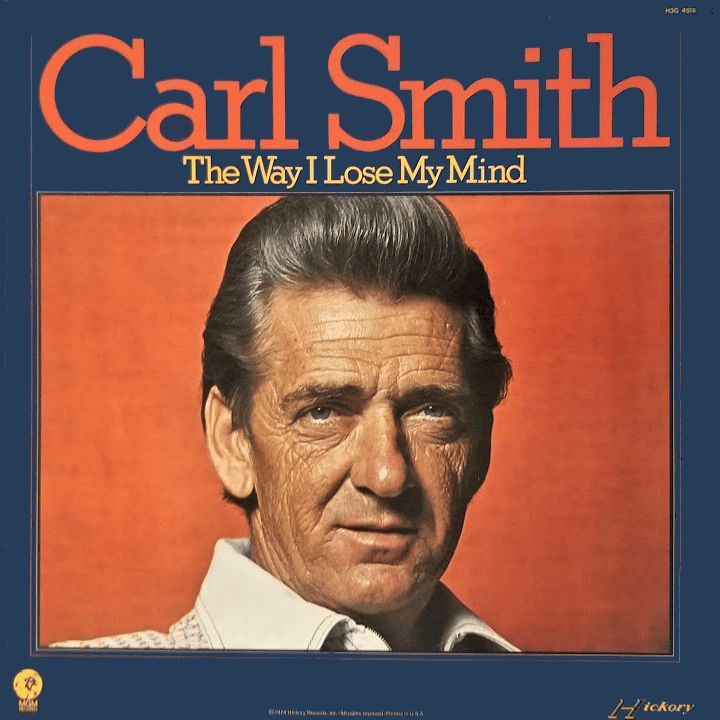
Carl Smith's "Not Once But A Hundred Times" isn't a celebration of moving on; it's a masterclass in denial, wrapped in a deceptively simple country melody. The song's core irony lies in its repetitive assertion that the ex-lover *didn't* cross the narrator's mind, a claim immediately undermined by the sheer frequency of its utterance. It’s the lyrical equivalent of the Freudian slip, where the more he protests, the more transparent his obsession becomes. The listener understands the song meaning is centered on the inability to forget.
The opening verses paint a picture of forced normalcy: a date with "someone new," a hollow attempt to gauge whether he's "over you." But the insistent refrain, "not once did you cross my mind / no not once, but a hundred times," betrays the truth. It's a psychological defense mechanism in action – repression manifesting as compulsive repetition. He's not over her; he's actively fighting against the tide of her memory, a battle he's clearly losing. The mention of the new woman's love being used to "attest" to his love for the ex is particularly brutal, showcasing a complete disregard for the present in favor of a past he can't escape.
The latter half of the song offers a glimmer of self-awareness, albeit tinged with resignation. "Foolish to think someone else would do / After tasting love from you" suggests a recognition of the ex-lover's unique, irreplaceable quality. The shift to "each day I find you on my mind" signals a surrender to the inevitable. The repeated line, now applied to his daily thoughts, reinforces the inescapability of her presence. "Not Once But A Hundred Times" becomes a poignant, if somewhat pathetic, anthem for the lovelorn, trapped in a loop of denial and obsession, forever haunted by the ghost of a love lost.
 View Artist