Song Meaning
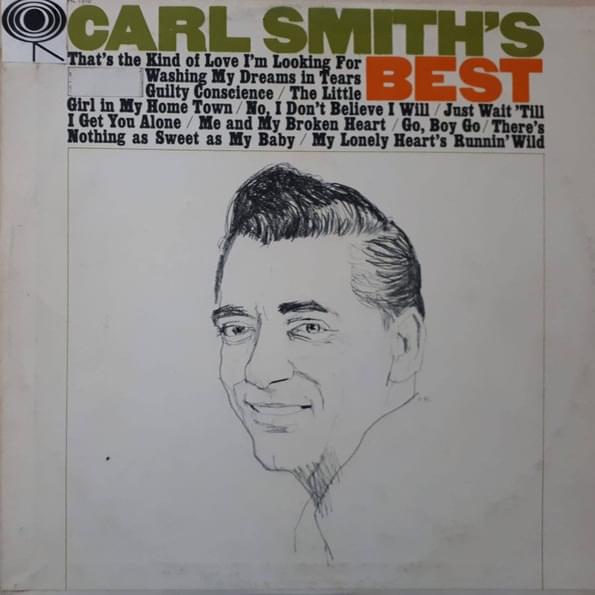
Carl Smith's "No I Don't Believe I Will" is a masterclass in country music's self-flagellating tendencies, a lyrical tightrope walk between defiance and desperate codependency. The song meaning hinges on that central, paradoxical phrase: a declaration of independence immediately undermined by the insistent pull of a toxic relationship. It's the sound of a man trying to convince himself, and failing spectacularly. The narrator is caught in a cycle of cheating and heartbreak, acutely aware of his partner's infidelity ("you cheat me every time I turn my face"), yet unable to break free. He fantasizes about escape – finding someone better, even ending it all – but the repeated refrain, "No I don't believe I will," betrays the hollowness of these threats. He's addicted to the drama, the pain, the sheer *struggle* of it all.
The genius of the song lies in its raw honesty. There's no attempt to paint a rosy picture or to cast blame solely on the woman. The narrator acknowledges his own weakness, his inability to walk away. He's willing to suffer, even revel in it ("pray I'll suffer more than you"), as long as he remains connected to the object of his obsession. The lyrics hint at a deeper insecurity, a fear of being alone or unloved. Better to endure the torment of a flawed relationship than face the void of complete separation. The steel guitar and mournful melody amplify this sense of longing and resignation, creating a sonic landscape of heartbreak and desperation.
Ultimately, "No I Don't Believe I Will" is a brutally honest exploration of the dark side of love. It's a reminder that relationships can be addictive, destructive, and deeply irrational. The song's power comes from its refusal to offer easy answers or tidy resolutions. Instead, it leaves us with a lingering sense of unease, a recognition of the messy, complicated nature of human desire. Carl Smith doesn't judge his narrator; he simply presents him, flaws and all, a prisoner of his own making, forever bound to the woman he both loves and resents.
 View Artist