Song Meaning
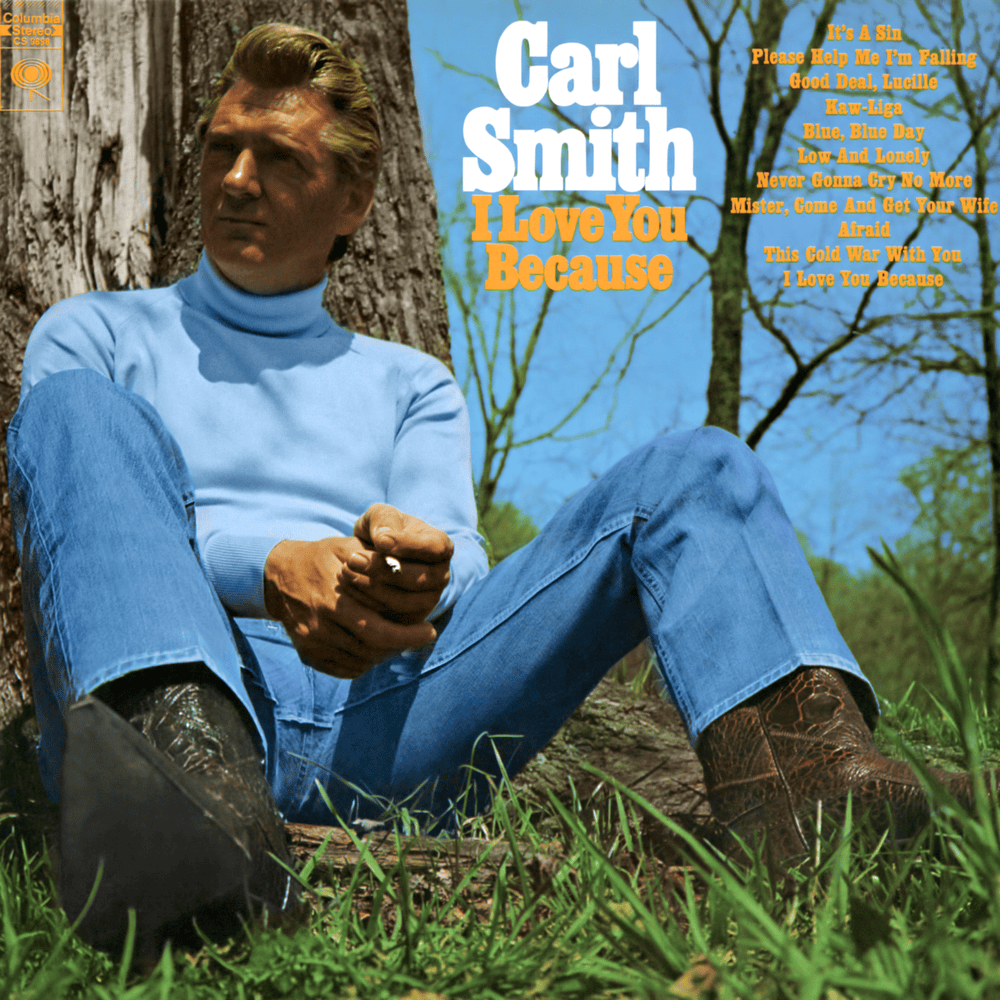
Carl Smith's "Low And Lonely" isn't just a country lament; it's a masterclass in emotional minimalism. The cyclical nature of the lyrics—that relentless return to the titular phrase—mirrors the obsessive quality of grief itself. We're trapped in a loop of longing, where sadness isn't a passing emotion but a constant state of being. The simplicity is deceptive. The words themselves aren't particularly groundbreaking, yet the repetition hammers home the profound sense of isolation. Smith isn't just singing about being lonely; he's embodying the very feeling of being stuck in a desolate emotional landscape. The song meaning resides in the stark, unadorned presentation of heartbreak.
Consider the almost desperate pleas embedded within the verses: "Do you miss me, say you do / Tell me darlin', please tell me true." This isn't a confident declaration of love; it's a fragile question born of insecurity and the fear of being forgotten. The speaker's vulnerability is palpable, stripped bare by the absence of the beloved. The line "you can't trust me, so never fear" adds a layer of complexity. Is it a backhanded admission of his own flaws, a preemptive strike against further abandonment, or perhaps a touch of self-deprecating humor amidst the pain? It suggests a deeper, perhaps even toxic, dynamic within the relationship, hinting that the separation might not be entirely unwarranted.
Ultimately, "Low And Lonely" transcends the typical country heartbreak trope. It's a raw, unvarnished portrait of the psychological impact of loss. It's about the way grief warps our perception of time, trapping us in an endless present haunted by the ghost of what once was. The song's power lies not in its lyrical complexity but in its emotional honesty and the way it taps into the universal human experience of longing and the crushing weight of loneliness.
 View Artist