Song Meaning
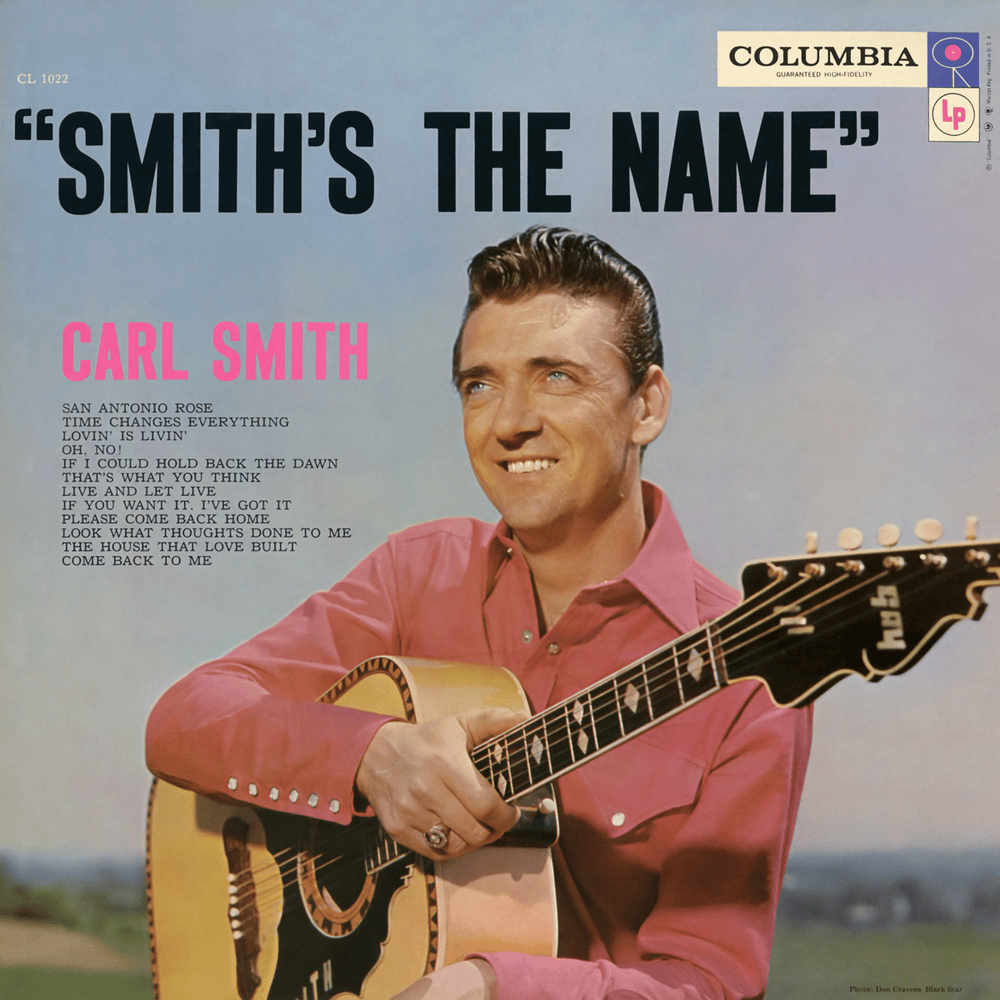
Carl Smith's lament, "Look What Thoughts Done To Me," is a stark exploration of regret, consequence, and the destructive power of unchecked ego. Stripped down to its core, the song functions as a cautionary tale, a post-mortem examination of a relationship ruined not by external forces, but by the protagonist's own flawed thinking. The opening lines immediately establish a chasm between expectation and reality: "I thought I knew everything I thought you'd wear my weddin' ring / But now I see our love can't be look what thoughts done to me." It's a brutal admission of hubris, a recognition that his assumptions were not only wrong but actively detrimental. The implied narrative suggests a man confident in his control, envisioning a future built on his own desires, only to find himself utterly alone. The lyrics paint a portrait of someone who believed they could have it all, indulging in selfish behavior (“I thought I could run around and still be the one to wear the crown”) while still expecting unwavering devotion.
The recurring phrase, "look what thoughts done to me," serves as both a lament and a confession. It's not just a statement of sorrow, but an acceptance of responsibility. The “thoughts” themselves are the villains here – the unchecked impulses, the arrogant assumptions, the failure to consider the partner's feelings. The song's simplicity is its strength; there are no elaborate metaphors or complex narratives, just a raw, direct expression of regret. The repetition of the warning, "Don't let it happen to you now that you know what thoughts will do," transforms the song into a piece of unsolicited, yet valuable, advice.
Ultimately, “Look What Thoughts Done To Me” functions as a psychological study in miniature. It's about the dangers of cognitive distortions, the way our own minds can sabotage our happiness. Carl Smith isn't just singing about a lost love; he's dissecting the internal processes that led to its demise. The final lines, "I learned too late what thoughts can do I thought I'd won but I lost you / And now I live in misery look what thoughts done to me," encapsulate the tragedy: a realization of error that arrives too late to prevent the damage. The song's enduring power lies in its relatability; we've all, to some extent, been victims of our own flawed thinking, and Smith's raw honesty resonates with that shared experience.
 View Artist