Song Meaning
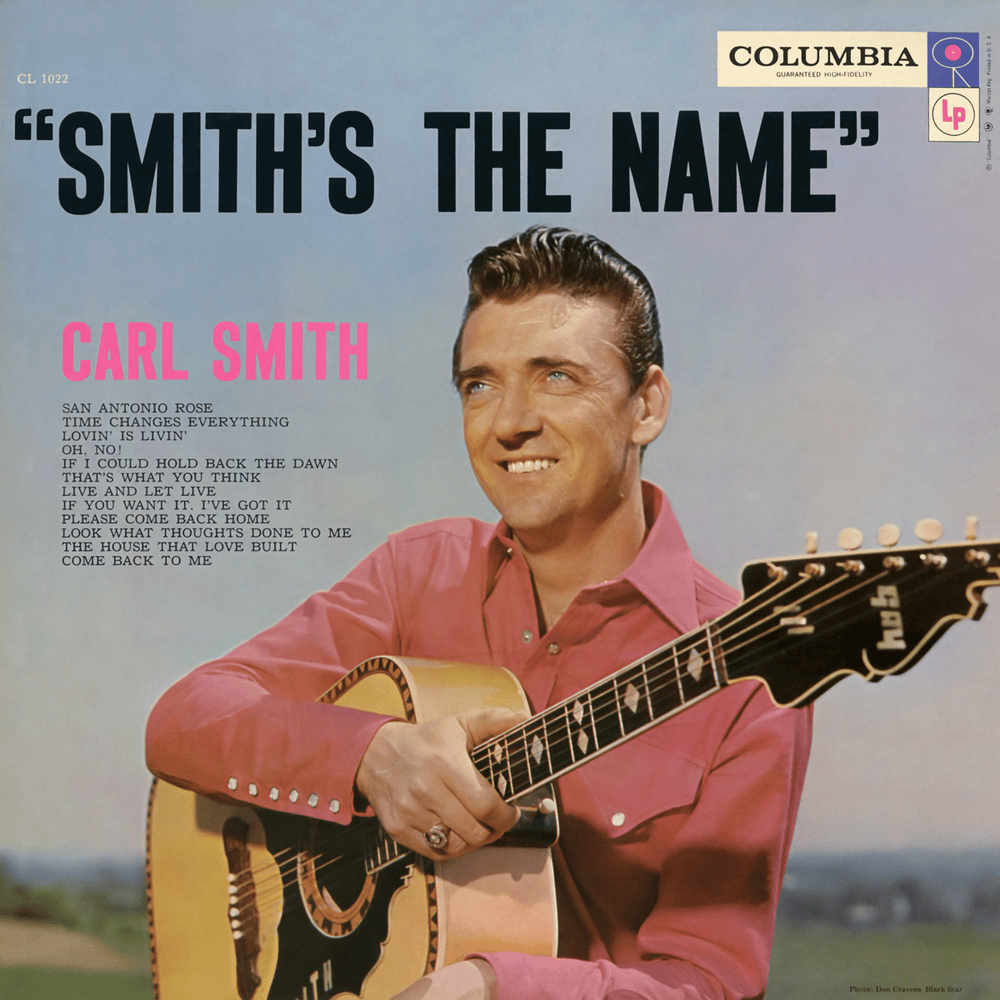
Carl Smith's "If I Could Hold Back The Dawn" is a masterclass in country music heartbreak, a poignant exploration of lost love teetering on the edge of despair. The song's core revolves around a man grappling with the imminent marriage of his former lover to someone else. He clings to a final rendezvous, a fleeting moment of connection before she commits to a future without him. The central conceit, wishing to halt the sunrise, encapsulates the desperate desire to freeze time, to indefinitely prolong the bittersweet agony of their last night together. The dawn represents not just the literal start of a new day, but the definitive end of their relationship and the crushing weight of her marital commitment.
The lyrics paint a vivid picture of emotional turmoil. He's caught between the hope ignited by her initial call and the devastating reality of her impending nuptials. The line, "But you told me you would wed tomorrow and you just wanted one last rendezvous," stings with the cruel paradox of their situation. He's a temporary comfort, a nostalgic indulgence before she steps into her new life. The steel guitar underscores the pervasive sense of longing and regret, amplifying the raw vulnerability in Smith's vocal delivery. The rawness in his voice is the most important part of the song; it is the sound of a man who knows that his world is ending, one sunrise at a time.
The song's brilliance lies in its simplicity. It avoids melodrama, instead focusing on the quiet desperation of a man facing an irreversible loss. The repeated plea, "if I could hold back the dawn," transforms from a wistful desire into a symbol of utter powerlessness. He knows he can't stop time, can't alter her decision. The question posed about her thoughts during the wedding-"Will you be thinkin' of the future darling or thinkin' of my last night with you"-reveals his fragile hope that their connection might linger in her memory, a faint ember of what once was. Ultimately, "If I Could Hold Back The Dawn" is a timeless meditation on love, loss, and the agonizing acceptance of an unwanted future.
 View Artist