Song Meaning
Carl Smith's "I'd Go Through It All Again" isn't just a country ballad; it's a raw, almost masochistic, exploration of love's enduring power over reason. The song meaning hinges on the paradox of pain versus absence. Smith doesn't shy away from acknowledging the torment inflicted by his lover; the lyrics clearly state, "remembering all the pain you put me through." Yet, the overwhelming sentiment isn't resentment, but a desperate willingness to relive that suffering. It's a mature, albeit unsettling, admission that even the worst experiences are worthwhile if they lead back to the object of affection. This isn't naive romanticism; it's the complicated calculus of the human heart. The speaker has clearly processed the relationship's flaws: "you gave me many reasons to doubt you/So your leaving me caused no great alarm."
The core emotional driver is the contrast between remembered pain and present loneliness. The lyrics analysis reveals that the speaker's perspective shifts over time. Initially, leaving seemed like a rational choice, a release from the cycle of hurt. However, the "bitterness" fades in isolation, replaced by a stark realization: the absence of love is a greater torment than its inherent difficulties. This isn't about excusing bad behavior; it's about acknowledging the profound, sometimes irrational, needs that drive human connection. The repeated line, "Just to hold you in my arms," underscores the primal desire for physical and emotional closeness, a need so powerful it can override logic and self-preservation.
Ultimately, "I'd Go Through It All Again" transcends simple heartbreak. It's a study in emotional dependency and the lengths we'll go to recapture a lost connection. The song's power lies in its unflinching honesty. Smith doesn't paint a rosy picture of love; he acknowledges its capacity for pain, yet argues that even that pain is preferable to the void left behind when love is gone. The song dares to suggest that some heartaches, in retrospect, "have seemed so small," not because they were insignificant, but because the alternative – a life devoid of that specific love – is infinitely worse.
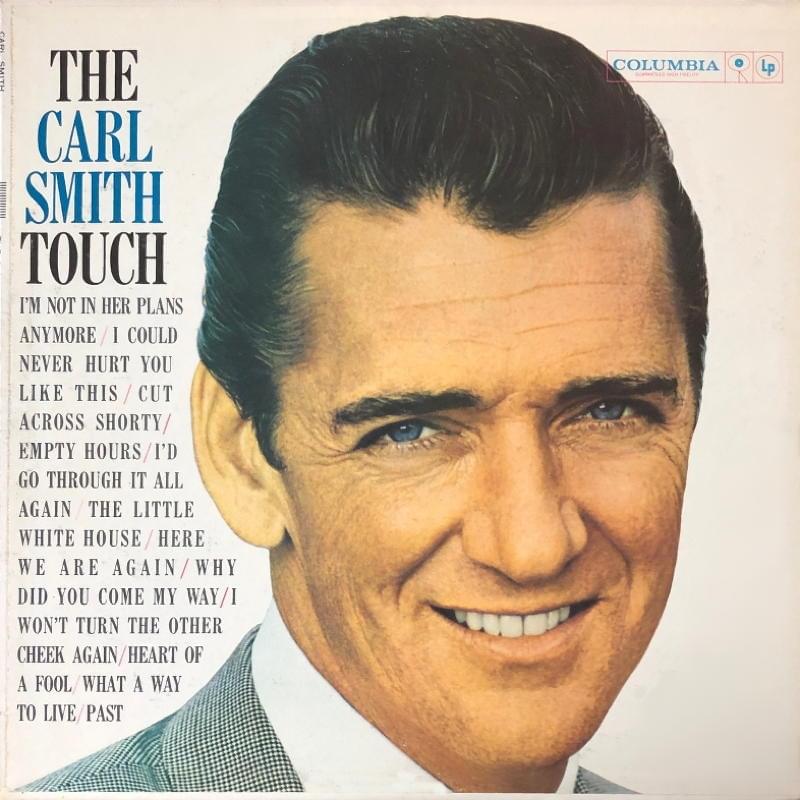
 View Artist