Song Meaning
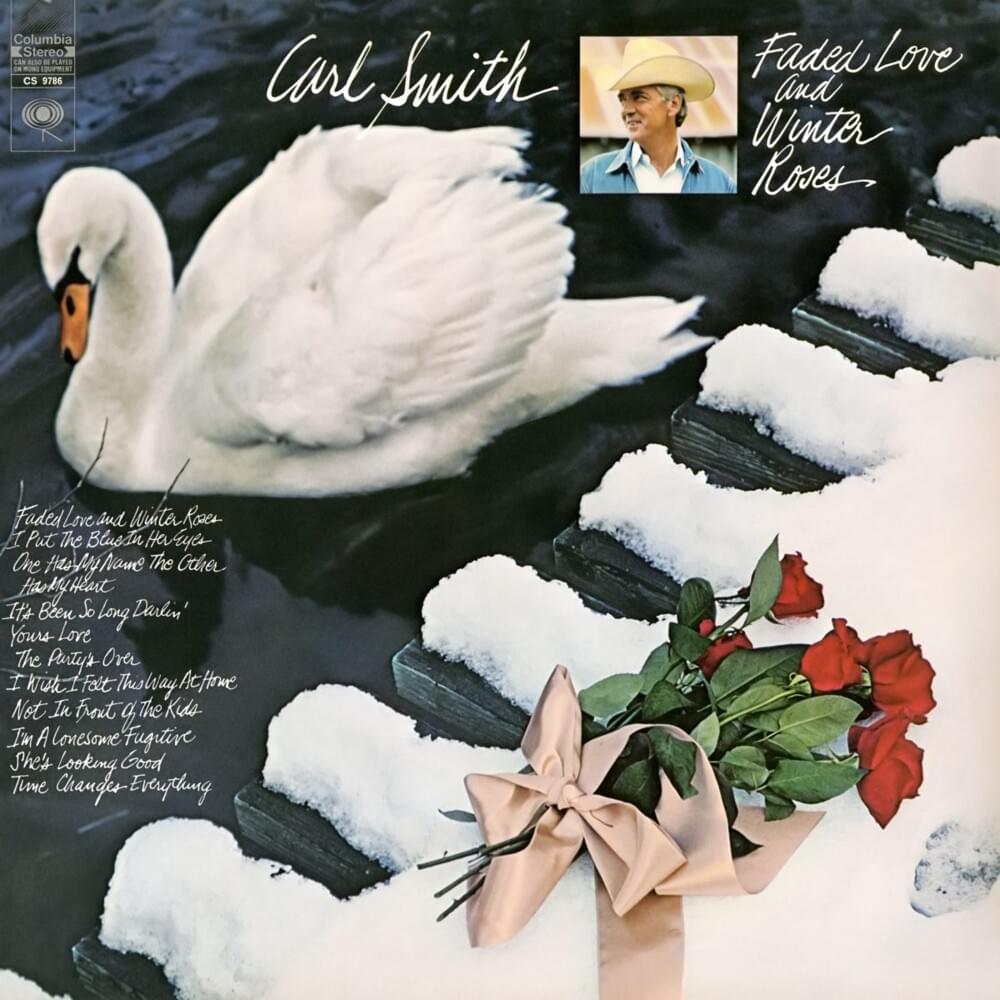
Carl Smith's plaintive baritone delivers a gut-wrenching truth in "I Wish I Felt This Way At Home": the devastating realization that love, or what passes for it, has withered on the vine. The song isn't just about infidelity; it's a stark examination of emotional starvation within the supposed sanctuary of marriage. The narrator finds himself caught in a classic, yet eternally painful, double bind. He's experiencing a profound connection, a true refuge, in the arms of another, while simultaneously acknowledging the hollow ache of his domestic life. Phrases like "restless heart would never wanna roam" and "never been loved the way you love me" aren't mere compliments; they're desperate cries for a feeling he believes should be inherent to his primary relationship. He longs for the spark, the unspoken language of affection, to ignite within his own four walls.
The core of the song meaning lies in the torment of recognizing a fundamental absence. He admits, "She and I tried hard but it's just no good," revealing a history of effort, perhaps even a shared desire for connection, ultimately rendered futile. This isn't presented as a simple case of blame; it's a weary resignation to incompatibility. The narrator's moral conflict is palpable. He recognizes the precariousness of his situation, acknowledging he has "no reason" to be free and understanding he cannot expect his lover to wait indefinitely. This awareness adds another layer of complexity. He's not simply driven by lust or fleeting infatuation, but by a deeper need for emotional fulfillment that his home life cannot provide.
Ultimately, "I Wish I Felt This Way At Home" isn't a celebration of forbidden love, but a lament for what's been lost. The repeated refrain underscores the depth of his longing, a constant reminder of the emotional void he carries. The song's power resides in its unflinching honesty. It refuses to offer easy answers or romanticize infidelity. Instead, it leaves us with a lingering sense of sadness and the unsettling recognition that sometimes, despite our best efforts, the places we should feel most secure become the very sources of our deepest discontent. The lyrics analysis reveals a portrait of a man trapped between obligation and desire, yearning for a connection that seems forever out of reach within the confines of his own home.
 View Artist