Song Meaning
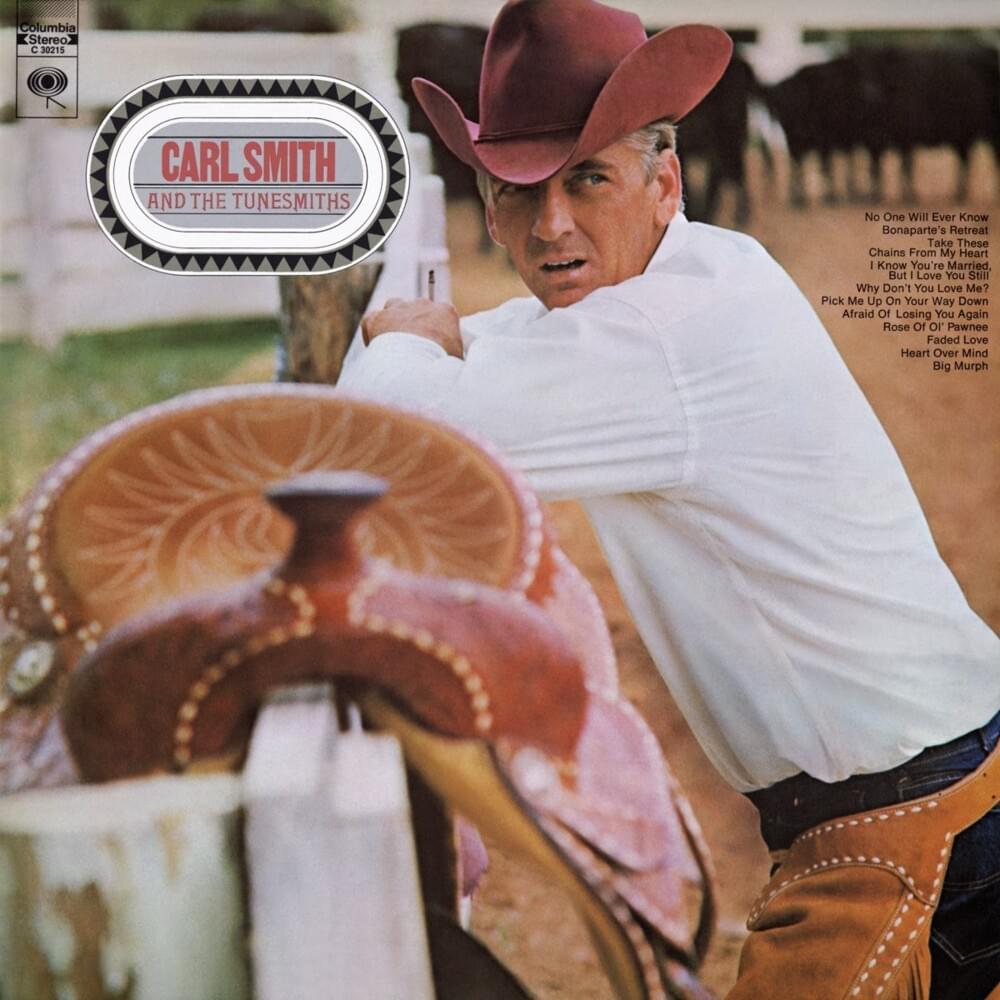
Carl Smith's "I Know You're Married, But I Love You Still" excavates the raw ache of forbidden love, a theme country music has always held close. It's a confession, stark and unadorned, of a love that blooms despite impossible circumstances. The lyrics bypass flowery metaphor, opting instead for the directness of a wounded heart. The narrator isn't trying to justify his feelings or craft a romantic narrative; he's simply stating a painful truth: "The day I met you my heart spoke to me...I vowed I'd always be close by your side." This vow, made without knowledge of her marital status, becomes the cornerstone of his torment. It speaks to the irrationality of love, its capacity to override logic and social boundaries.
The song's power lies in its unwavering focus on the internal struggle. There's no blame assigned, no villain in this scenario, just the speaker grappling with the consequences of his emotions. The object of his affection remains a silent figure, a catalyst for his internal turmoil. The repeated chorus, "You know I love you and I always will / I know you're married but I love you still," acts as a mantra, a desperate attempt to reconcile his feelings with reality. It's a declaration of love inextricably intertwined with the acknowledgement of its impossibility. This creates a tension, a sense of yearning that permeates the song.
Ultimately, "I Know You're Married, But I Love You Still" is a portrait of unrequited devotion and acceptance. The lines "But the game is over now, I know that I've lost / My broken heart will have to pay the cost" reveal a resignation, a recognition that his love will remain unfulfilled. This isn't a triumphant declaration of forbidden passion, but a somber acknowledgment of its price. The song's meaning resides in the unflinching portrayal of a heart caught between desire and duty, a timeless theme that continues to resonate.
 View Artist