Song Meaning
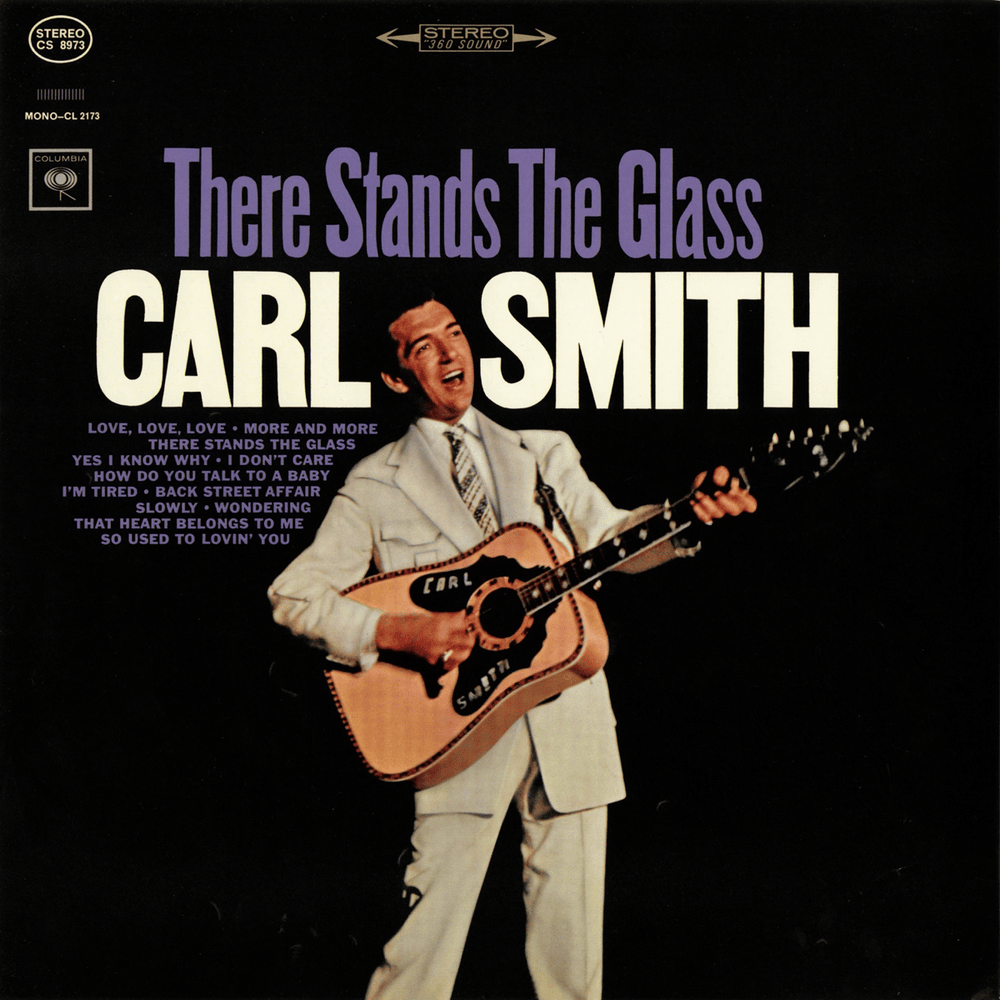
Carl Smith's "I Don't Care" isn't just a country ballad; it's a masterclass in emotional negotiation, a plea for present-tense love that transcends past histories. The song's core hinges on a deceptively simple premise: the singer's willingness to overlook a lover's previous romantic entanglements, provided he secures the coveted "last" position in her heart. It's a sentiment dripping with both insecurity and unwavering hope, revealing the complex psychology of commitment. Smith isn't demanding erasure of the past, but rather a re-prioritization of the present and a promise of future fidelity. He offers acceptance in exchange for permanence. It's a high-stakes gamble on the transformative power of 'now.'
The recurring lyric, "Now I don't care if I'm not the first love you've known, just so I'll be the last," acts as both a confession and a contract. It acknowledges the inherent messiness of human relationships – the inevitable baggage we all carry – while simultaneously asserting a desire for ultimate significance. The phrase "yesterday's gone, just love me from now on" further emphasizes this temporal focus. Smith isn't interested in competing with ghosts; he's focused on building a love that eclipses them. The song's lyrical simplicity amplifies its emotional weight. There are no elaborate metaphors or complex narratives, only a raw, vulnerable articulation of longing for lasting love.
Ultimately, "I Don't Care" explores the tension between jealousy and trust, between the desire to be someone's only love and the acceptance that we rarely are. It's a song about choosing to believe in the possibility of a future unburdened by the past, a future where love is defined not by its origins, but by its enduring presence. Carl Smith's delivery, with its blend of vulnerability and conviction, sells this emotional bargain perfectly, making "I Don't Care" a timeless exploration of love's messy, hopeful landscape.
 View Artist