Song Meaning
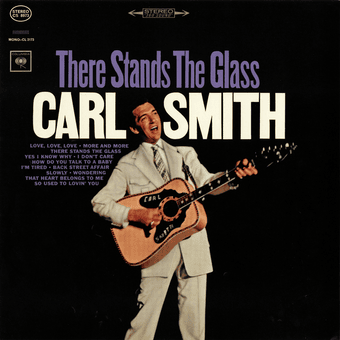
{"song_id": 14139510, "meaning": "Carl Smith's \"How Do You Talk To A Baby\" isn't just a country lament; it's a stark exploration of moral conflict, filtered through the raw vulnerability of impending fatherly abandonment. The tune pivots on a gut-wrenching question: how does a man explain his infidelity, his broken vows, to an innocent child? It's a question loaded with guilt, pre-emptive regret, and a desperate plea for absolution, not from a higher power, but from the very woman for whom he contemplates shattering his family. He's trapped, not just by circumstance, but by the agonizing awareness of the collateral damage his desires will inflict. The stark simplicity of the repeated question underscores the impossible situation he faces.
The lyrics reveal a man wrestling with the profound implications of his actions. He's caught between the intoxicating pull of an affair and the crushing weight of familial responsibility. The line, \"I go home to a family that needs me / But I sit there with you on my mind,\" encapsulates this internal battle. It's a portrait of a man already emotionally detached, present in body but absent in spirit. The real knife twist comes with the acknowledgment that leaving isn't just about him; it's about the innocent child who won't comprehend the complexities of adult failings. The song meaning is not simply about leaving, but the agonizing internal debate.
Ultimately, \"How Do You Talk To A Baby\" isn't a celebration of forbidden love; it's a cautionary tale about the devastating ripple effects of infidelity. The narrator's contemplation of leaving forces him to confront the long-term consequences of his choices. By the third verse, a semblance of resolve emerges. He concedes that the affair isn't \"worth it,\" suggesting a flicker of moral clarity. However, even in this moment of apparent decision, the underlying question lingers. It’s a powerful indictment of the human capacity for self-deception and the enduring power of paternal guilt. The raw emotionality embedded within the lyrics makes this Carl Smith song a timeless exploration of the darker corners of the human heart."}
 View Artist