Song Meaning
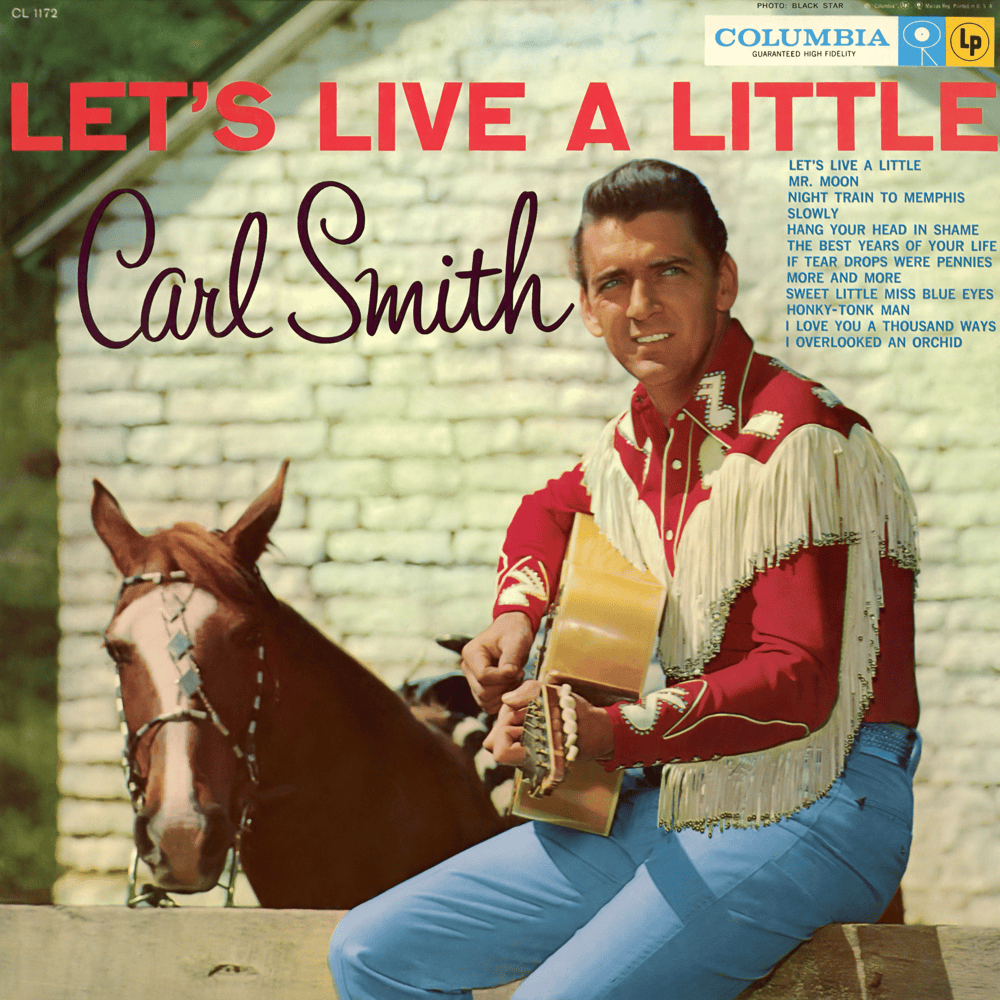
Carl Smith's "Honky Tonk Man" isn't just a song; it's a confession, a ragged manifesto sung from the smoky depths of a neon-lit bar. The track encapsulates a very specific archetype: the charming rogue perpetually caught between the allure of fleeting pleasures and the nagging pull of domestic responsibility. Smith doesn't just play the role; he embodies it with a weary authenticity that suggests he knows this dance all too well. The opening lines immediately establish the central conflict: a man driven by an insatiable desire for the honky-tonk lifestyle, yet ultimately dependent on the stability of 'mama' back home. It's a classic push-and-pull, a tension that fuels the song's narrative engine.
The lyrics paint a vivid picture of a man caught in a cycle of indulgence. The 'purty little gal' and 'jug of wine' are not just casual pleasures; they are essential components to maintaining his 'honky tonk mind.' This isn't mere hedonism; it's a deliberate, almost ritualistic, immersion in a world of fleeting gratification. The jukebox, 'whinin' a honky tonk sound,' becomes the soundtrack to his escapism, a constant reminder of the temporary high he's chasing. But the undercurrent of guilt and the inevitable return to reality are always present, symbolized by the desperate phone call when the money runs out.
Ultimately, "Honky Tonk Man" explores the complexities of desire and responsibility. It's a portrait of a man who is both drawn to and trapped by a lifestyle that offers temporary escape but ultimately leaves him empty and dependent. The song's genius lies in its unflinching honesty; it doesn't glorify the honky-tonk life, nor does it condemn it. Instead, it presents a raw, unvarnished glimpse into the heart of a man struggling to reconcile his conflicting impulses, a struggle that resonates even for those who have never set foot in a smoky bar.
 View Artist