Song Meaning
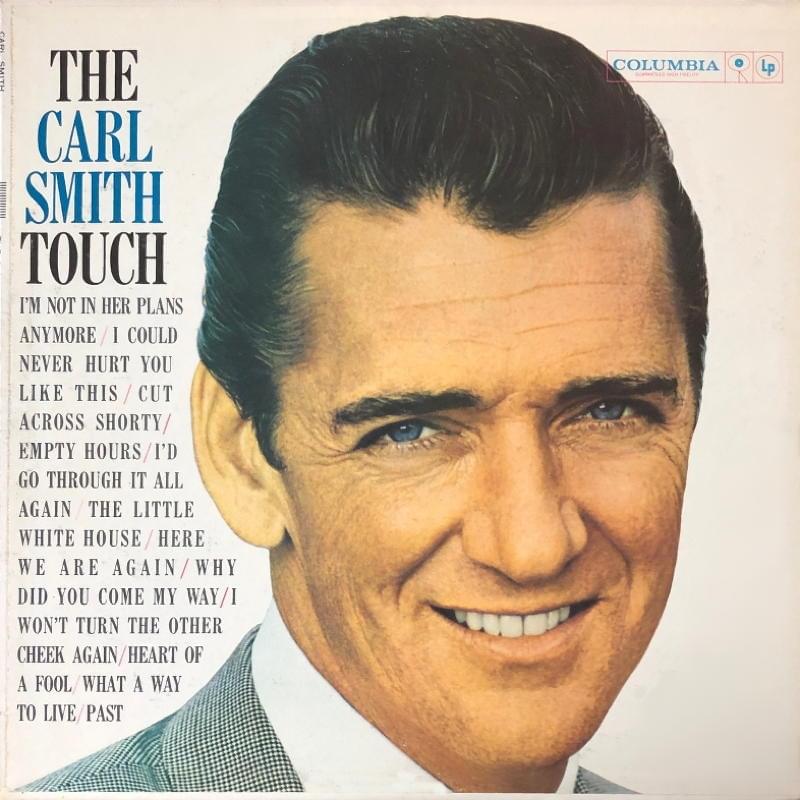
Carl Smith's "Here We Are Again" isn't just another country ballad; it's a tense psychodrama played out in honky-tonk time. The song circles a familiar, almost archetypal, romantic crossroads. The initial verses paint a picture of rescue, two souls escaping "a world where broken hearts are left to cry," finding solace in each other's arms. This shared trauma is the bedrock of their bond, a narrative of mutual healing that Smith initially champions. But the return of a past lover—"He's back again with all that same old sweet talk"—throws everything into sharp relief. The singer's plea, "Don't let him find his way back to your heart," isn't just a warning; it's laced with insecurity. He's not sure of his place, or of the true depth of her healing.
The repeated phrase "Here we are again" underscores the cyclical nature of relationships, the way past traumas and unresolved feelings can resurface, threatening to unravel the present. It is not just *her* crossroads, but *their* crossroads. The return of the 'old us' threatens the 'new us' they struggled to create. The song's brilliance lies in its ambiguity. Is the singer genuinely concerned for his partner's well-being, or is he more afraid of losing her? Is he projecting his own insecurities onto her, questioning her commitment because he doubts his own worthiness? The lyrics don't offer easy answers, instead forcing the listener to confront the messy, often irrational, undercurrents of love and fear.
The question, "I wonder if first love's ever forgotten," hangs heavy in the air, a potent reminder of the indelible mark first love leaves on the human psyche. The singer's query about whether "the chains of his old love still bind you?" cuts to the core of the song's central conflict. It's a question loaded with vulnerability, revealing the singer's deep-seated fear that he might just be a placeholder, a temporary fix for a wound that will never fully heal. Smith masterfully uses the classic country framework to explore the complex psychological landscape of love, loss, and the enduring power of the past.
 View Artist