Song Meaning
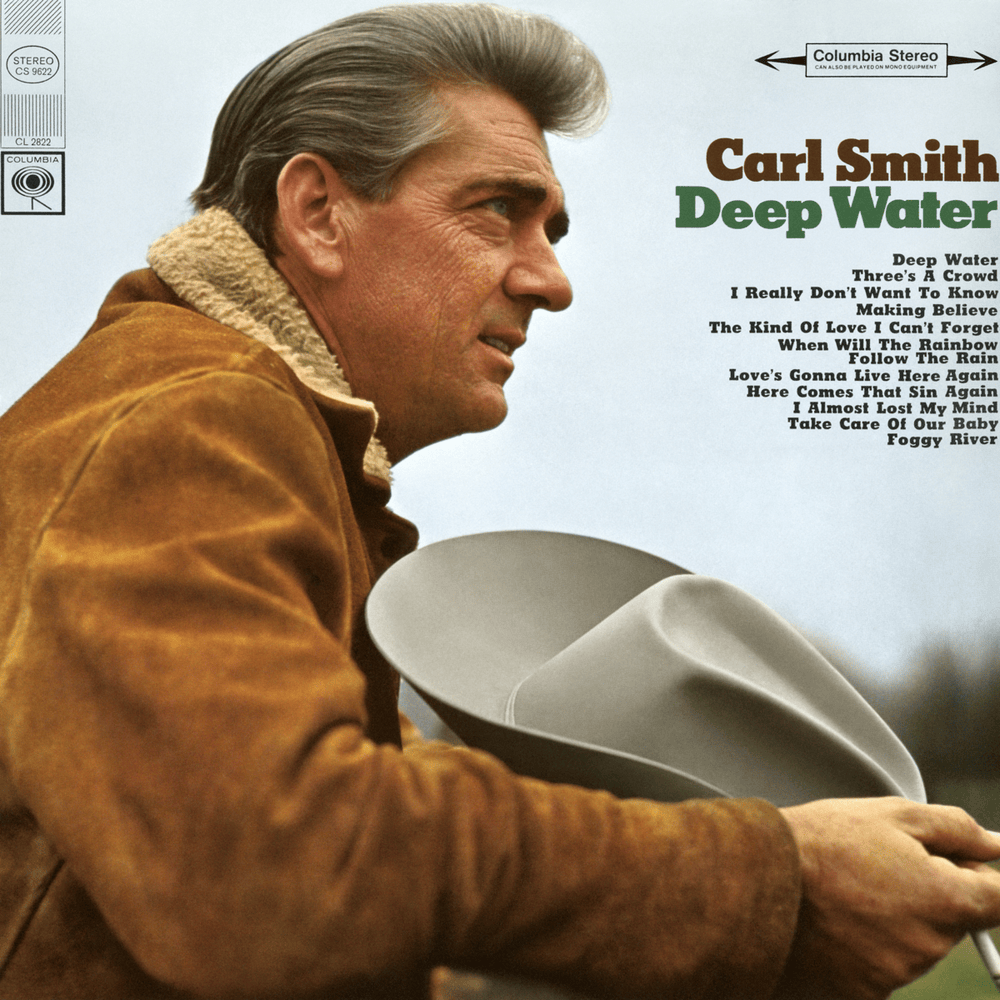
Carl Smith's "Here Comes That Sin Again" isn't just a country lament; it's a raw, almost brutally honest glimpse into the psychology of temptation and the cyclical nature of moral failure. The track's simple, repetitive structure mirrors the obsessive, recurring thought patterns of someone caught in a destructive loop. It's the confession of a man wrestling with his desires, fully aware of the consequences, yet seemingly powerless to resist. The repeated phrase, "Here comes that sin again," acts as both a weary acceptance and a self-aware condemnation. It's the sound of resignation before the fall. The impact of the song lies in its understanding that temptation isn't a singular event, but a looming presence. It's a deeply human experience.
At the heart of "Here Comes That Sin Again" lies the internal conflict between desire and duty. The lyrics clearly establish the singer's awareness of his wrongdoing: "I know that I should be at home / There's someone waiting there alone." This isn't a case of ignorance or naiveté; it's a conscious choice to stray, fueled by an irresistible attraction. The line, "Instead I'm doing wrong and feeling fine," is particularly striking. It acknowledges the fleeting pleasure derived from the sin, highlighting the seductive power that overrides reason and commitment. The 'sin' isn't an abstract concept; it's embodied by a specific woman, one who continues to haunt his thoughts and undermine his resolve. The song doesn't shy away from the uncomfortable truth that temptation can be intensely appealing, even when it leads to pain and regret.
Ultimately, the song's power rests in its portrayal of moral weakness. The singer's repeated attempts to resist, only to succumb again, speak to the frustrating reality of human fallibility. The line, "My good intentions fell away," encapsulates the feeling of helplessness in the face of overwhelming desire. He even seems to taunt himself, telling his "conscience" that he's "gonna make it rough on you," as if he's punishing himself for his own transgressions. "Here Comes That Sin Again" isn't a celebration of infidelity, but a stark portrayal of the internal battle that rages within someone struggling to stay true to their vows. It's a reminder that even with the best intentions, the allure of temptation can be a formidable force, and that the cycle of sin can be difficult, if not impossible, to break.
 View Artist