Song Meaning
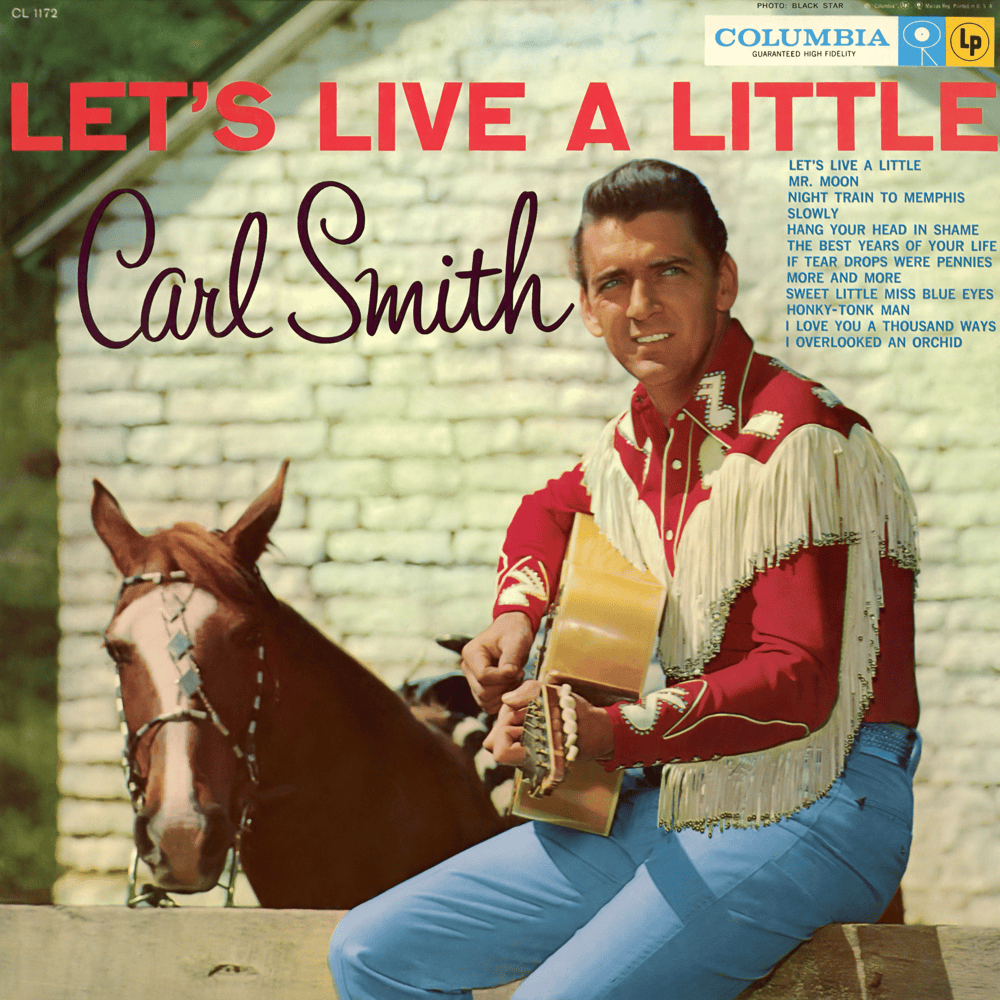
Carl Smith's "Hang Your Head In Shame" isn't just a country lament; it's a masterclass in passive aggression, dipped in honky-tonk sorrow. The song drips with the wounded pride of a lover scorned, but avoids outright confrontation, instead opting for a calculated shaming. The repeated refrain, "hang your head in shame," isn't a plea for forgiveness or even an expression of enduring pain. It's a carefully aimed barb, designed to prick the conscience (if it exists) of the former partner. The brilliance lies in its simplicity: a universal sentiment of betrayal distilled into a phrase that's both accusatory and steeped in vulnerability.
Smith's narrator isn't wallowing; they're weaponizing regret. Lines like "Someone came along and took my place / Then you gave me all the blame" paint a picture of injustice, framing the speaker as a victim of circumstance rather than a participant in a failed relationship. This subtle shift in perspective is key. It allows the listener to sympathize while simultaneously judging the absent culprit. The song's power resides in its suggestion of deeper wounds, hinting at broken trust and emotional manipulation.
Ultimately, "Hang Your Head In Shame" transcends its genre trappings to become a study in human behavior. It explores the complex dance of blame, guilt, and the enduring need for validation after heartbreak. The narrator isn't necessarily seeking reconciliation; they're seeking acknowledgement of the pain they've endured. And in that pursuit, Carl Smith delivers a quiet, yet devastating blow.
 View Artist