Song Meaning
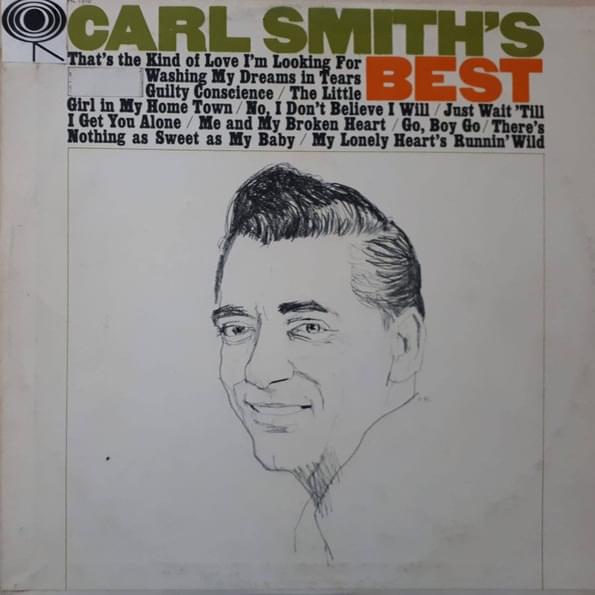
Carl Smith's "Guilty Conscience" isn't just a country lament; it's a meticulously crafted psychological portrait of regret, painted with the stark colors of heartbreak. The song cleverly avoids self-pity, instead turning the lens outward, probing the emotional state of the departed lover. It's a series of pointed questions, each designed to prick at the listener's (or in this case, the subject's) moral core. "Does a guilty conscience make you rue the day?" he asks, setting the stage for an interrogation of the soul. It's less about what *he's* lost, and more about what *she's* forfeited—peace of mind.
The brilliance of the lyrics lies in their simplicity and relatability. Smith doesn't delve into complex metaphors or flowery language. Instead, he grounds the emotional turmoil in everyday experiences: familiar places, old photographs, shared memories. These touchstones serve as triggers, designed to evoke specific feelings of nostalgia and, ultimately, guilt. The questions about whether the new lover replicates the old intimacy ("Does he kiss you like I used to do?") are particularly sharp, hinting at a deeper insecurity: the fear of being replaced, not just in body, but in spirit.
Ultimately, "Guilty Conscience" is a masterful exploration of the aftermath of a breakup. It's a reminder that even in the absence of physical presence, the emotional weight of past actions can linger, casting a long shadow. The song doesn't offer closure or forgiveness; it simply presents the possibility of lingering remorse, a subtle form of revenge that resonates long after the final note fades. The final verse, with its imagery of nightfall and a solitary moon, perfectly encapsulates this sense of isolation and introspection, suggesting that even in the vastness of the universe, there's no escaping the quiet voice of one's own conscience.
 View Artist