Song Meaning
{"song_id": 14139531, "meaning": "Carl Smith's \"Empty Hours\" isn't just a lament; it's a forensic accounting of emotional bankruptcy. The song meaning hinges on a painful imbalance within a relationship, tallied in tears and broken promises. Smith frames the aftermath of deceit as an exercise in quantification: \"If you count the times you've lied / Then you'll know the times I've cried.\" This isn't mere melodrama; it's the cold, hard math of heartbreak, where one person's actions directly translate into another's suffering. The \"empty hours\" themselves become units of measurement, quantifying the vast expanse of time wasted on a love that failed to reciprocate.
The brilliance of \"Empty Hours\" lies in its stark simplicity. It avoids flowery language, instead opting for a direct, almost accusatory tone. Smith isn't wallowing, he's presenting evidence. The core of the song analysis revolves around the concept of transactional love. The lyrics explicitly state the fundamental flaw: \"love's a game where you must give / Before you can receive.\" This line exposes the partner's selfishness, their unwillingness to invest emotionally, ultimately leading to the narrator's isolation and the titular \"empty hours.\" It's a brutal assessment of a relationship where emotional labor went unrewarded.
Ultimately, Carl Smith’s “Empty Hours” isn’t just a country song; it’s a psychological post-mortem. It dissects the anatomy of a failed relationship, pinpointing the precise moment where reciprocity died. The repetition of the opening verses underscores the cyclical nature of the pain, a constant reminder of the imbalance and the resulting void. It’s a stark, unsentimental exploration of loss, measured not in abstract emotions, but in the tangible currency of time and trust."}
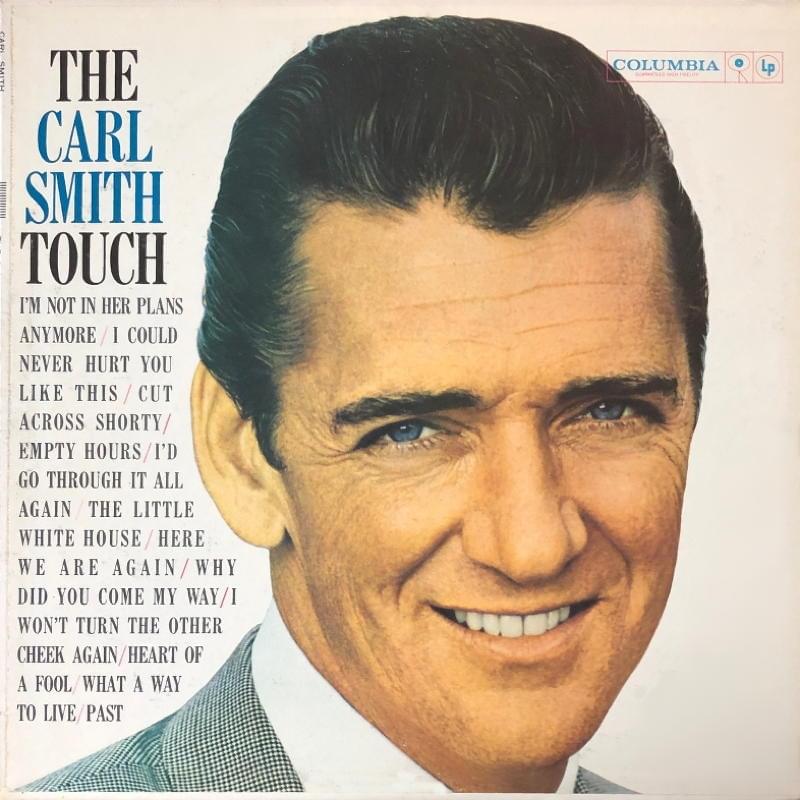
 View Artist