Song Meaning
Carl Smith's "Divorce Me C.O.D." isn't just a country lament; it's a masterclass in mid-century masculine pragmatism curdled with a touch of bitterness. The song meaning hinges on the transactional nature of love gone sour. The narrator, facing infidelity, isn't wallowing. Instead, he's cutting his losses with the cold efficiency of a businessman liquidating assets. The C.O.D. (Cash On Delivery) divorce becomes a metaphor for his demand for immediate and unambiguous closure. He’s not interested in drawn-out emotional negotiations or tearful reconciliations. He wants out, and he wants it done quickly. The use of abbreviations like "P.D.Q." (Pretty Damn Quick) and "QT" (Quiet) further emphasizes the need for speed and discretion, as if the entire affair is a logistical problem to be solved rather than a heartbreak to be mourned. The train ticket represents not just a physical escape but a symbolic severing of ties.
Beneath the surface of this seemingly detached approach, however, lies a palpable sense of wounded pride. The lines about the woman being unable to pay her bills with "a little ol' I.O.U." hint at a deeper insecurity – a fear of being used or undervalued. He's predicting her downfall, suggesting that her romantic escapades are financially unsustainable. There's a subtle jab at her intelligence, too, in his claim of knowing his "ABC's" despite lacking a "PhD", hinting that he is not as naive as she might believe.
Ultimately, "Divorce Me C.O.D." is a study in emotional self-preservation. The narrator is constructing a narrative of control in the face of betrayal, using humor and a no-nonsense attitude to shield himself from vulnerability. It's a uniquely American blend of heartbreak and hard-headedness, delivered with Carl Smith's signature vocal swagger. The song's enduring appeal lies in its unflinching portrayal of a man choosing self-respect over sentimentalism, even as the sting of betrayal lingers in the background.
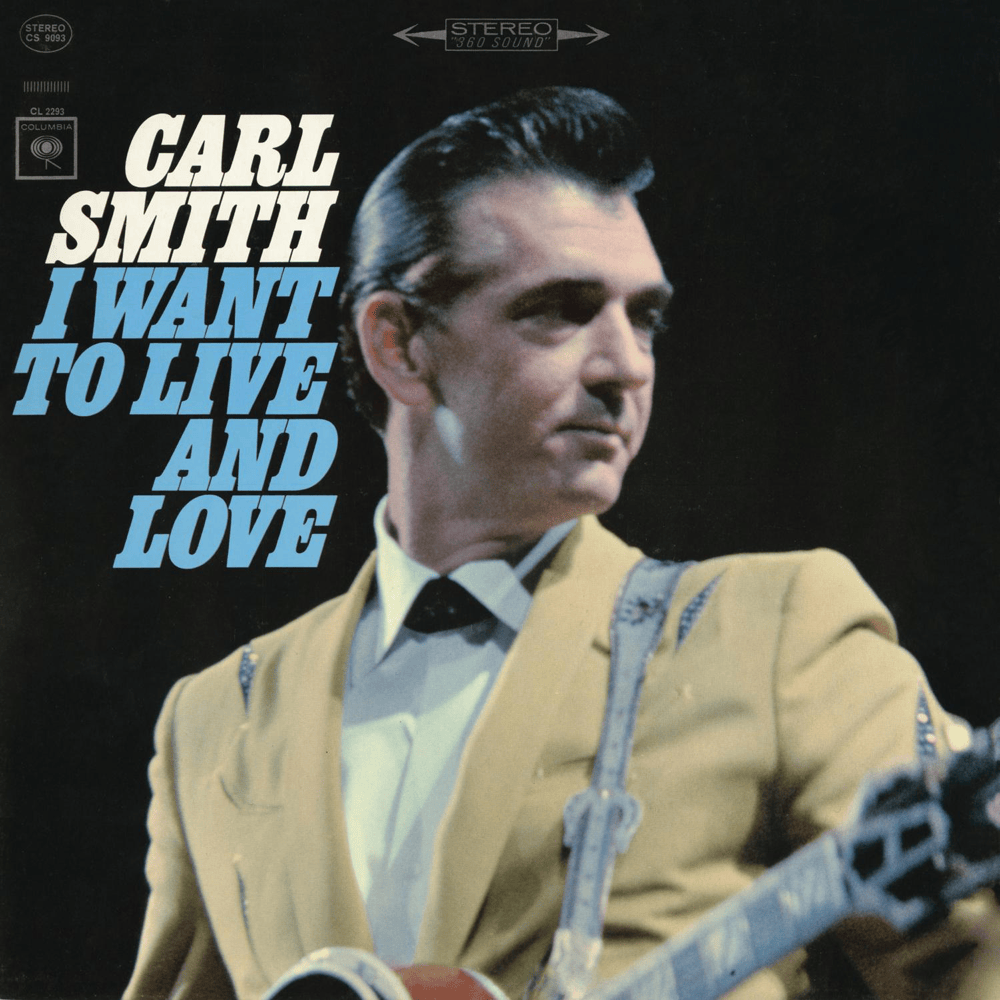
 View Artist