Song Meaning
Carl Smith's "Come Back To Me" isn't just a plea; it's a masterclass in unconditional love wrapped in the melancholic twang of classic country. The song's meaning hinges on a paradox: the singer grants freedom while simultaneously anchoring his lover to an unspoken promise. It's a fascinating psychological landscape where acceptance intertwines with a deep-seated hope for eventual return. The lyrics aren't laced with bitterness or resentment, but rather a weary understanding of the human need for exploration. The almost detached, "Go have your fling, go dance and sing and get it over," feels less like permission and more like an acknowledgement of an inevitable journey.
At its core, "Come Back To Me" explores the tension between individual desire and the security of home. The singer's repeated invitation to "come back to me" isn't a demand, but a beacon. He's not naive; the lines "when laughter's turned to sorrow" and "when life has lost its lure" suggest a clear-eyed awareness that the allure of the unknown is often fleeting. This awareness elevates the song beyond a simple love ballad into a commentary on the cyclical nature of seeking and finding, wandering and returning. The willingness to accept a partner back after experiencing the world speaks volumes about the depth of his commitment and the quiet confidence he has in their bond.
The genius of the song lies in its emotional restraint. Smith avoids histrionics, instead delivering a performance that is both vulnerable and strong. This creates a palpable sense of longing, not just for a person, but for a future where love triumphs over the temporary distractions of life. The lyrics analysis reveals a complex understanding of relationships, acknowledging the need for personal growth and exploration while simultaneously valuing the enduring power of connection. "Come Back To Me" is not just about waiting; it's about creating a safe harbor for a love that is meant to be, a love that is strong enough to withstand the storms of life and the temptations of the open road.
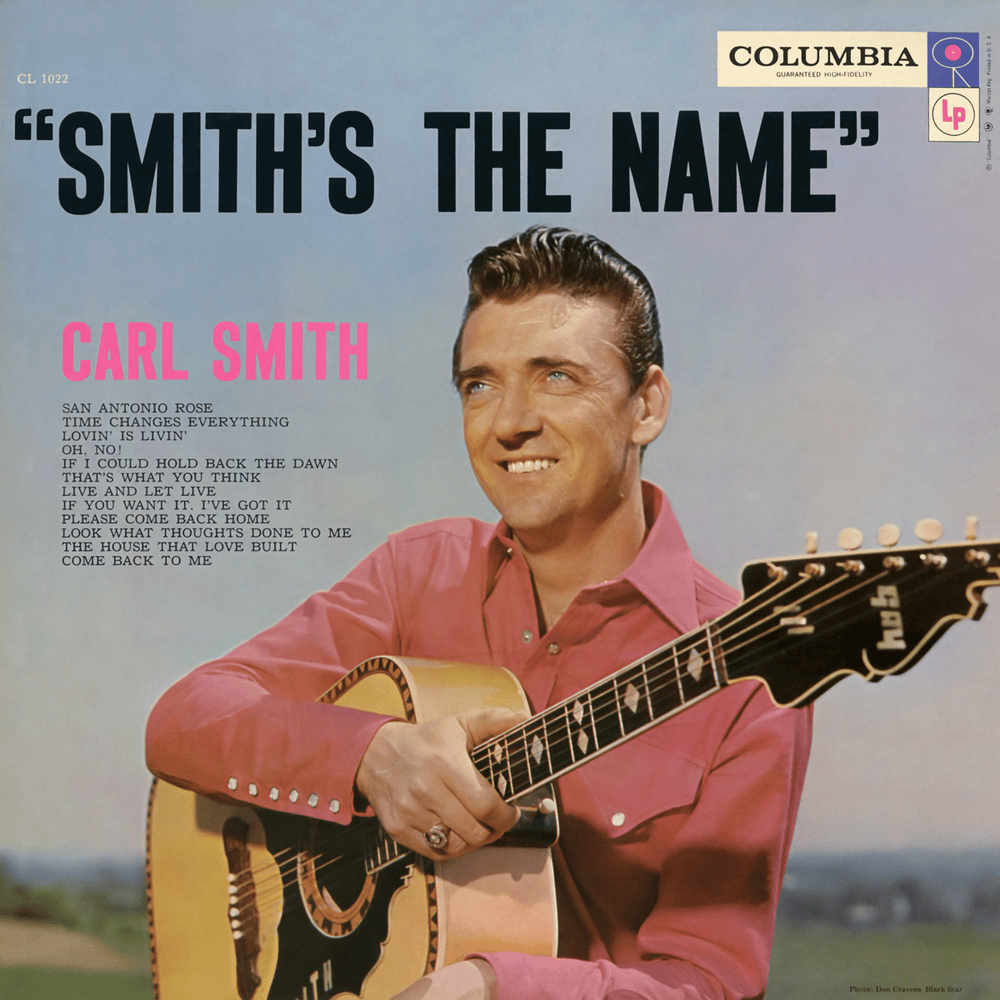
 View Artist