Song Meaning
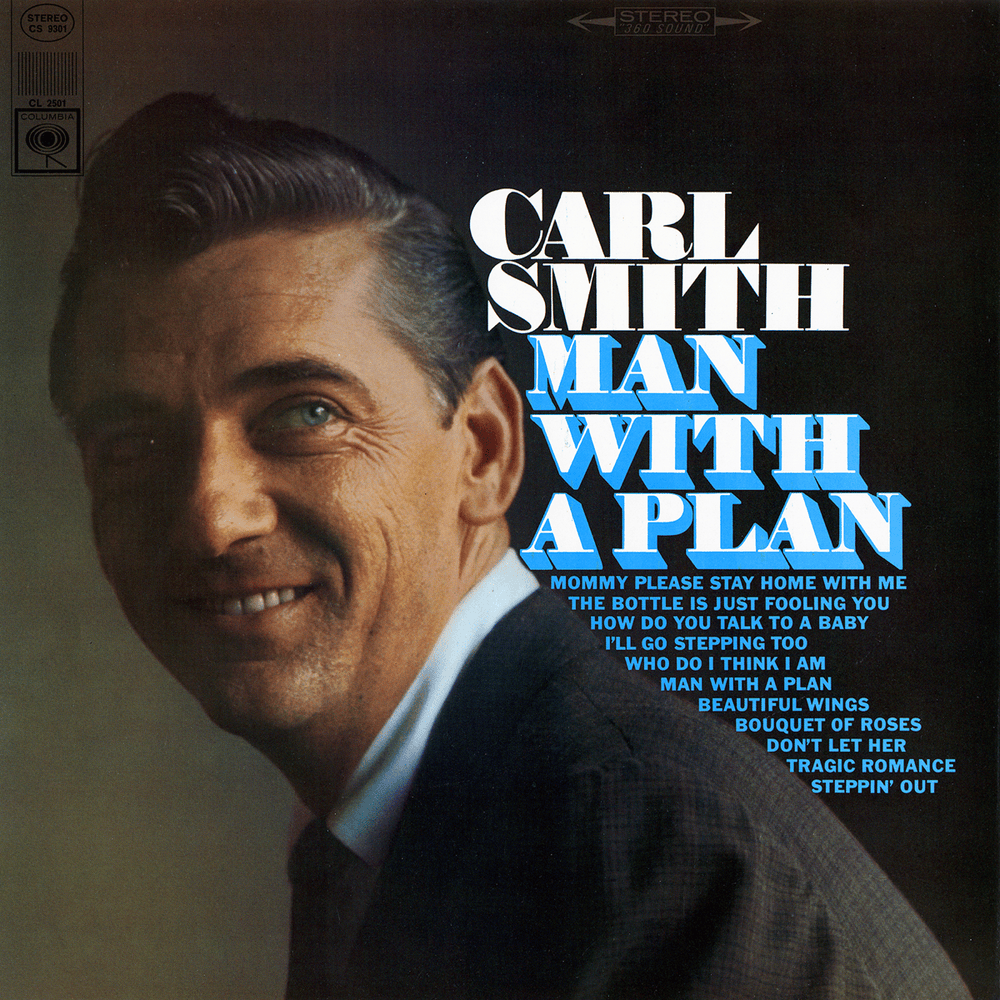
Carl Smith's "Bouquet of Roses" isn't just a country ballad; it's a masterclass in passive aggression disguised as heartbroken sincerity. The surface narrative is simple: a lover scorned sends a floral arrangement as a parting gift, each rose representing an instance of infidelity or emotional damage. But beneath the saccharine melody and Smith’s smooth delivery lies a complex web of resentment and lingering affection, revealing the messy psychology of a relationship's end. The roses become both a symbol of lost romance and a pointed reminder of the pain inflicted. It’s the ultimate 'bless your heart' delivered with thorns.
The repeated line, "One for every time you broke my heart," drips with a wounded pride that is both self-aware and subtly manipulative. He claims to be tired of forgiving, declaring "there's nothin' left to do," yet the very act of sending the roses suggests otherwise. It's a performative act of closure, designed as much to wound the recipient as to soothe the sender's ego. The line “You made our lovers lane a road of sorrow” illustrates how idealized love can curdle into bitterness.
Ultimately, the most psychologically compelling aspect of "Bouquet of Roses" is the narrator's inability to fully sever the emotional tie. He admits, "I know that I should hate you after all you put me through / But how can I be bitter when I'm still in love with you." This confession exposes the core conflict: the head knows the relationship is toxic, but the heart still clings to the memory of what was. The bouquet, therefore, becomes a paradoxical gesture—a final act of love tainted by the bitterness of betrayal, a beautiful monument to a love that died a slow, painful death. It's a song that understands how heartbreak can turn even the most sentimental gestures into weapons of emotional warfare.
 View Artist