Song Meaning
The lyrics paint a picture of profound emotional numbness, where sadness itself seems to operate by an unknowable set of rules. The narrator questions these "Laws of Sadness," which apparently hold sway "at night," a time when pretense dissolves. This leads to a desperate plea for external intervention, a search for someone to alleviate the burden of guilt and to prompt the expected emotional release of tears, which strangely fail to materialize. The repeated question, "Why is it so?" underscores a deep confusion and helplessness in the face of this emotional void.
The core tension lies in the absence of expected grief. The narrator anticipates tears, knowing they "should do so," yet they remain elusive. This disconnect between emotional expectation and reality creates a unique kind of suffering. The loss isn't just external, "parts of you," but also internal, "parts of myself, also," suggesting a shared disintegration of identity tied to a past relationship. The phrase "a hole in time" further emphasizes this rupture, a void where connection once existed.
The most striking aspect is the inversion of emotional response. Instead of cathartic weeping, there's a stoic, silent walk, a waiting for an emotion that never arrives. This lack of outward expression, despite the internal turmoil of losing oneself and a loved one, is the central paradox. The lyrics suggest that sometimes, the deepest sadness isn't loud and demonstrative, but a quiet, baffling emptiness where even the act of grieving feels broken.
This disconnect makes the lyrics hit hard because they articulate a specific, disorienting form of emotional paralysis. The inability to cry, to feel the expected sorrow, is presented not as relief, but as a deeper symptom of the sadness itself. The plea for rescue and the acknowledgment of shared loss, juxtaposed with this emotional stillness, creates a powerful sense of isolation and bewilderment.
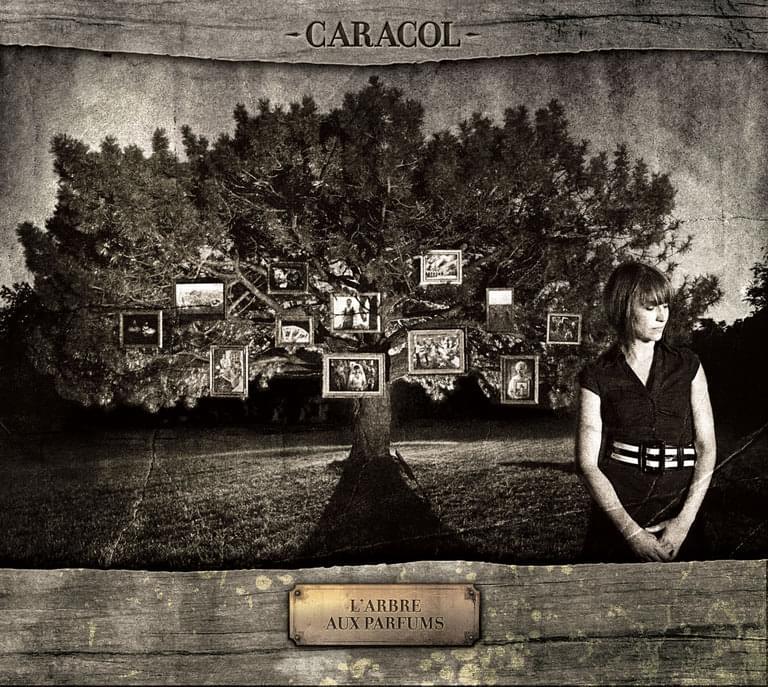
 View Artist