Song Meaning
The lyrics paint a vivid picture of a narrator deeply entangled with a metaphorical "road." This road isn't just a path; it's personified as a sentient entity, capable of speaking, laughing, and even holding the narrator captive. The immediate emotional texture is one of anxious yearning and a desire for escape, tinged with a profound sense of being controlled or influenced by this abstract force. The narrator questions if the road would beckon them with a thousand voices, suggesting a powerful, almost irresistible pull.
The central tension arises from the narrator's simultaneous desire to flee and their feeling of being an "otage" (hostage) to this road. They want to escape "sans trop savoir pourquoi" (without knowing why), highlighting an internal conflict where the reasons for their distress are unclear, yet the urge to move is undeniable. This flight is described as walking on the road's "1000 bras" (1000 arms), implying a journey that is both physically on the road and internally bound by its influence.
A striking element of the craft is the consistent personification of the road, which evolves from a beckoning entity to one that demands repayment. The road's "1000 voix" (1000 voices) become "1000 lois" (1000 laws) and "1000 bras" (1000 arms), illustrating a shift from invitation to obligation. The narrator's eventual refusal to fully "return" the road, stating they cannot give back "Le plus vrai des tatouages" (the truest of tattoos) imprinted by time, reveals a profound acceptance of the road's indelible impact on their identity.
This lyrical construction is effective because it transforms a simple concept of travel or a life path into a complex, almost adversarial relationship. The narrator's struggle isn't just with external circumstances but with an internalized force that has shaped them. The final assertion of the road as a permanent "tattoo" resonates deeply, suggesting that even in escape, the essence of the journey, its lessons and scars, become an inseparable part of who they are.
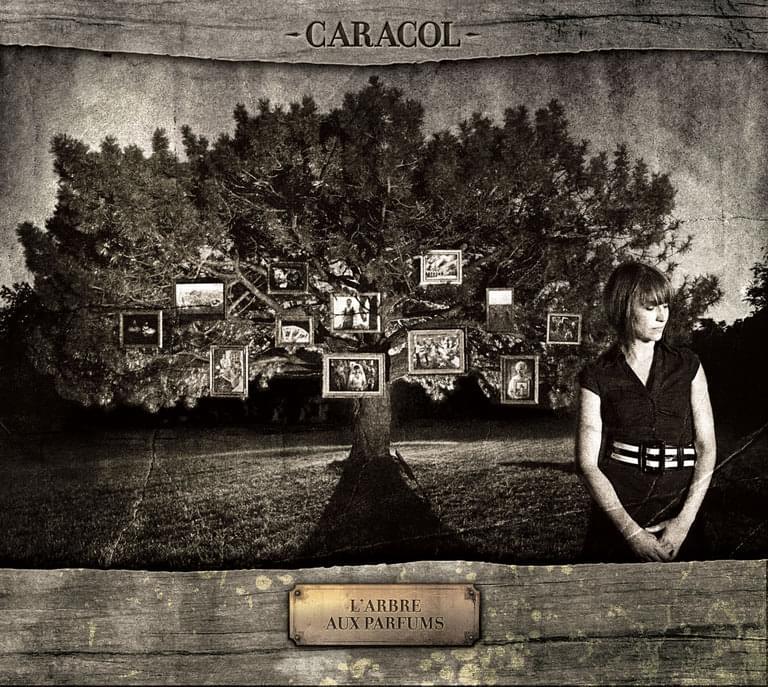
 View Artist