Song Meaning
The lyrics paint a picture of someone grappling with self-perception and past burdens. The opening lines suggest an attempt to settle old debts or mend broken pieces, "쓴 적 없는 조각 빚을 메우다" (filling pieces of debt I never used), and gathering "나 두고 왔던 짐들" (luggage I left behind). There's a sense of resignation, hoping that the current effort, "붉어진 최선" (this reddened best), is truly the best possible outcome.
The core tension lies in the disconnect between the self and the self one wishes to be or is perceived to be. The narrator states, "그건 내가 아니라 내가 보려던 / 나뉜 나일 걸" (It's not me, but the divided me I tried to see). This suggests an internal conflict, a fractured identity where the perceived self doesn't align with the true self, and there's a struggle to reconcile these two. The repeated phrase "대비하려 해본 적도 없는 것" (something I've never tried to contrast) highlights a lack of self-comparison or perhaps an inability to even grasp the differences.
A striking element is the contrast between the internal struggle and the seemingly carefree "랄라랄라 랄라랄라라" (lalalala lalalala) in the post-chorus, which is immediately followed by "난 싫어" (I hate it). This juxtaposition creates a powerful sense of forced cheerfulness or denial masking deep-seated aversion. The second verse, "삶은 되풀이되어 / 언젠가는 다시 물어올테오" (life repeats itself / someday it will ask again), reinforces a cyclical, perhaps inescapable, pattern of facing these unresolved issues.
Ultimately, the effectiveness of these lyrics stems from their raw portrayal of internal conflict and the fear of confronting oneself. The desire to hide, "소리 지를 걸 알아 숨을게요 / 안 보이고는 말게요" (I know I'll scream if we meet again, so I'll hide / I'll pretend not to be seen), is a poignant expression of vulnerability and the overwhelming weight of unresolved personal history.
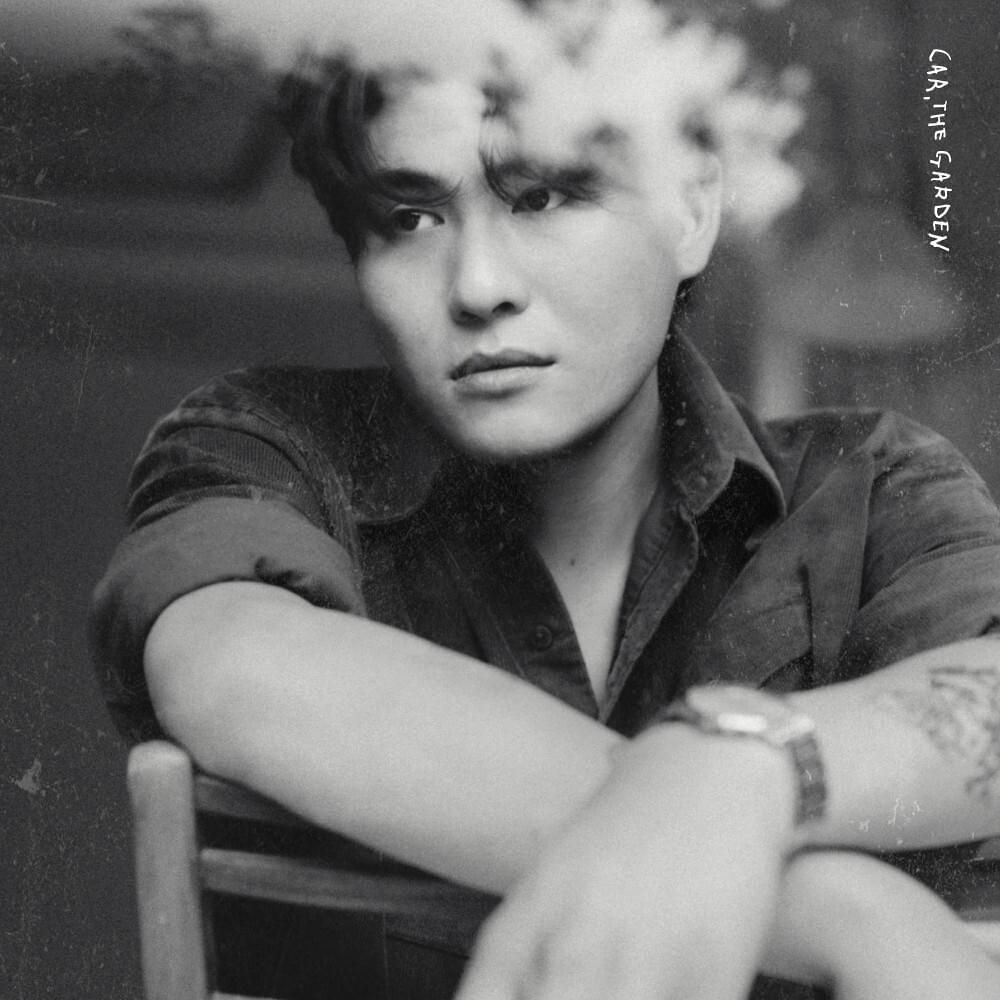
 View Artist