Song Meaning
The opening lines of "Solo Quiero" immediately plunge us into a scene of quiet solitude, where the city's silence is broken only by the narrator's passing car. There's a palpable sense of absence, as the speaker notes, "Mi ansiedad se quedó contigo." This suggests a profound connection, where even a core emotional state has been left behind with the other person, leaving the narrator in a strangely empty, yet deeply reflective, space. The act of lighting "el que tú me diste" further anchors this present moment to a specific, intimate memory.
These lyrics skillfully weave together past, present, and a dreamed future, creating a powerful emotional tension. The narrator recalls a swift, intense beginning: "un día después fui tuyo por siempre." This immediate, almost fated commitment contrasts sharply with the present isolation, where the only action is the desire to connect. The shift to a vivid future fantasy – "soñé mi boda contigo" – reveals the depth of this longing, suggesting a mind consumed by what was and what could be, even as the present offers only quiet reflection.
The core of the song's emotional impact lies in the repeated, almost desperate question: "¿Y qué puedo hacer?, si sólo quiero escribirte a ti / cantarte a ti." This isn't just a statement of desire; it's a plea, a confession of helplessness in the face of an overwhelming urge. The repetition of this chorus, especially in the outro, transforms a simple wish into an inescapable, all-consuming fixation, making the listener feel the weight of this singular devotion.
Ultimately, these lyrics are effective because they ground intense emotional yearning in specific, relatable details. The quiet city, the shared cigarette, the phone in hand – these tangible images create a vivid backdrop for an internal world dominated by one person. The constant oscillation between memory and fantasy, all centered on an unshakeable desire to communicate, paints a poignant picture of a heart utterly captivated and unable to move on.
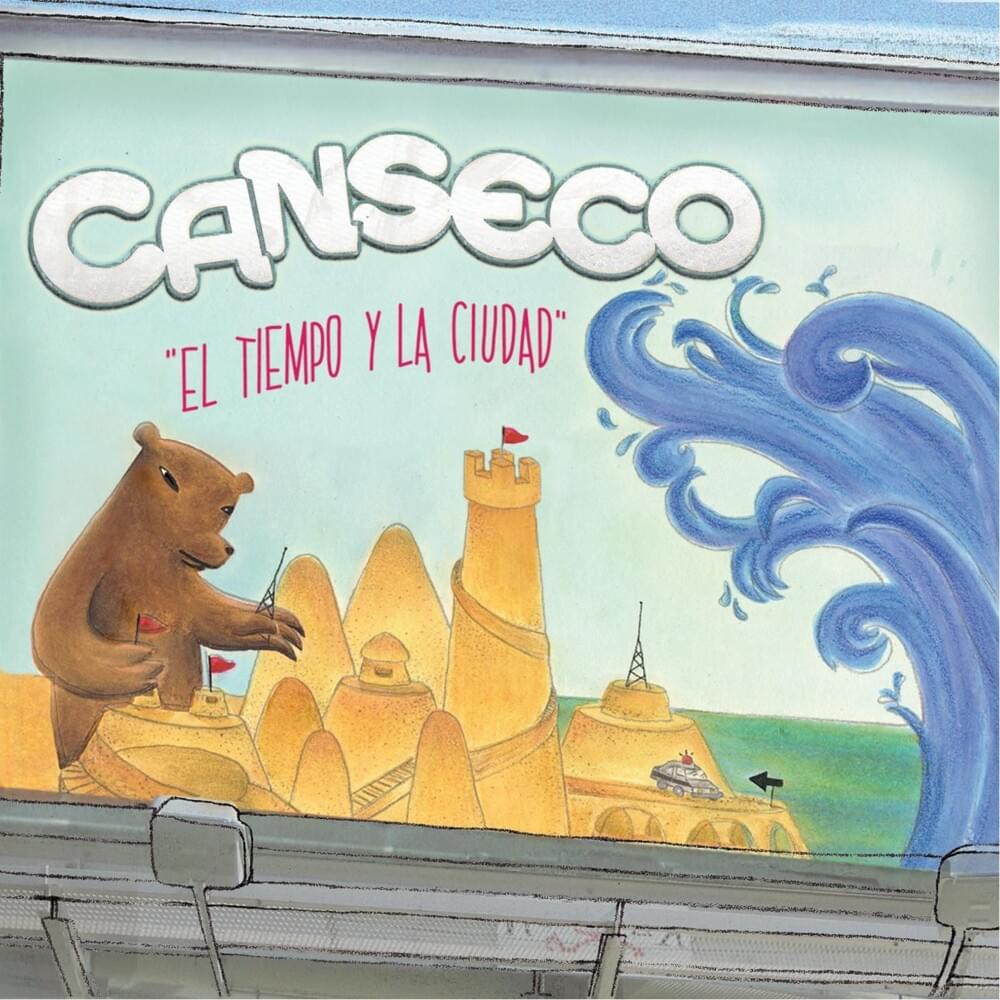
 View Artist