Song Meaning
The lyrics paint a picture of a friend reaching out to someone feeling isolated and melancholic. The narrator acknowledges the other person's loneliness and the way cold weather triggers memories of shared past experiences, like "bar en bar" and "cantando la misma canción." There's a sense of distance, both physical and perhaps emotional, as the narrator notes the friend travels alone on the metro, immersed in music, while the cold "trae nostalgia." The mention of a particularly cold car underscores a shared history that wasn't always warm.
The core tension lies in the narrator's unwavering support contrasted with the friend's current state of isolation. The repeated refrain, "Soy tu amigo hasta el fin aunque esté lejos de ti," acts as a steadfast anchor. This declaration of loyalty is directly juxtaposed with the friend's expressed inability to cope ("que ya no puedes más") and the nostalgic longing for simpler, perhaps more reckless, times. The narrator offers a simple, optimistic resolution: "Sale el sol y todo sale bien."
The craft here hinges on the evocative, almost mundane details that ground the emotional weight. The image of "tirando cerveza por todo el balcón" speaks to a youthful abandon, a stark contrast to the present-day loneliness. The narrator’s persistent, gentle reassurance, especially the offering of a "trago es para ti," feels like a quiet, persistent act of care. It’s not about grand gestures, but about showing up, even from afar, with a simple, hopeful mantra.
Ultimately, the effectiveness of these lyrics comes from their grounded sincerity. The narrator doesn't dismiss the friend's feelings but acknowledges them while offering a steady, optimistic outlook. The repetition of "Sale el sol y todo sale bien" isn't just a platitude; it’s presented as a fundamental truth, a reminder that even in the coldest moments, brighter days are inevitable, and friendship endures.
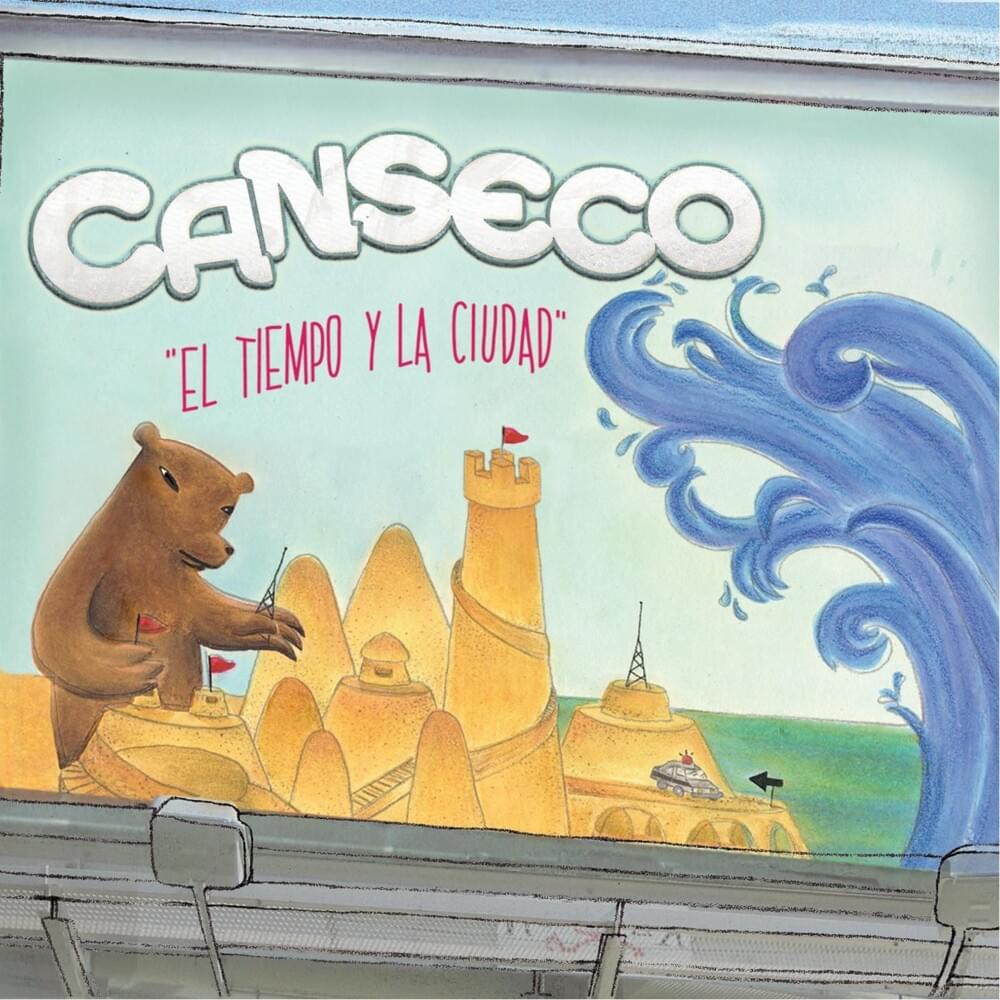
 View Artist